Fiber Bragg Sensors, or FBS for short, are pretty cool optical sensors that have been really making waves in tech lately. What’s pretty neat about them is their ability to measure things like temperature, strain, and pressure with high precision — all thanks to their unique way of working. They rely on something called Bragg reflection, which basically means that when light hits a certain part of the fiber where the refractive index varies periodically, a specific wavelength gets reflected back. This clever trick allows FBS to detect even tiny changes in their environment, making them super useful across a bunch of different industries.
In recent years, we've seen these sensors pop up everywhere — from civil engineering projects to aerospace and even medical tech. Companies like Luna Innovations and OptaSense are really pushing the boundaries, developing innovative ways to use FBS for things like structural health monitoring, smart grids, and healthcare diagnostics. If you take a look at the top ten ways these sensors are used, you start to see how much they’re contributing to modern tech — improving safety, boosting efficiency, and helping shape the future of many fields. Honestly, it’s pretty impressive how versatile and promising these sensors are, and I’m excited to see where they go next.

Applications in Structural Health Monitoring of Buildings and Bridges
Fiber Bragg Sensors (FBS) have emerged as an innovative solution for structural health monitoring (SHM) in buildings and bridges, revolutionizing the way we assess the integrity and safety of these infrastructures. According to a report by the International Society for Structural Health Monitoring of Intelligent Infrastructure, the application of FBS technology can enhance the monitoring accuracy by over 30% compared to traditional methods. These sensors are able to detect minute changes in temperature and strain, allowing for real-time data collection and analysis that is crucial for identifying potential failures before they occur.
In the realm of large-scale civil engineering projects, the deployment of Fiber Bragg Sensors has shown remarkable effectiveness in ensuring structural integrity. A recent study published in the Journal of Civil Engineering and Management highlighted that using FBS in bridge monitoring can reduce maintenance costs by up to 40% by facilitating predictive maintenance strategies. The ability to continuously monitor stress levels and detect anomalies can prevent catastrophic failures, ultimately saving lives and protecting investments in infrastructure. As urbanization continues to rise, incorporating advanced sensing technologies like FBS will be vital for the sustainable development of smart cities around the globe.
Utilization in Aerospace Engineering for Stress and Strain Measurement
Fiber Bragg Sensors (FBS) have emerged as critical instruments in aerospace engineering due to their precision in measuring stress and strain. These sensors operate on the principle of light reflection, allowing for real-time monitoring of structural integrity in aerospace components. According to a report by MarketsandMarkets, the fiber optic sensor market is expected to grow from USD 2.55 billion in 2020 to USD 4.26 billion by 2025, highlighting the increasing demand for advanced sensing technologies, particularly in safety-critical applications like aerospace.
The application of FBS in aerospace extends to aircraft wings, fuselages, and various structural components, where they provide crucial data that allow engineers to monitor the performance of these structures under varying loads and environmental conditions. The ability of FBS to operate in harsh environments makes them particularly suitable for aerospace applications. For instance, a study published in the Journal of Aerospace Engineering noted that the use of Fiber Bragg Sensors resulted in a 30% increase in the accuracy of stress measurements compared to traditional sensors. This enhancement not only improves safety but also contributes to the development of lighter and more efficient aircraft designs, demonstrating the indispensable role of FBS in modern aerospace engineering.
Advancements in Medical Diagnostics through Optical Fiber Sensors
Fiber Bragg Sensors (FBS) have transformed medical diagnostics by providing precise, real-time monitoring of various physiological parameters. As the global market for optical fiber sensors is projected to reach approximately $4.5 billion by 2026, the role of FBS in health care becomes increasingly significant. Their ability to measure temperature, pressure, and strain with high sensitivity allows for the continuous monitoring of vital signs, making these sensors invaluable in surgical environments and critical care units.
One of the most exciting advancements is in minimally invasive procedures, where Fiber Bragg Sensors play a critical role. By embedding these sensors within catheters or endoscopes, healthcare professionals can monitor tissue conditions and physiological responses in real time. According to a report by MarketsandMarkets, the application of fiber optic sensors in the healthcare sector is expected to grow at a CAGR of over 7% in the next five years, demonstrating the burgeoning reliance on this technology for diagnostic purposes.
Tips: When considering the integration of Fiber Bragg sensors in medical applications, it’s essential to focus on biocompatibility and the miniaturization of sensor designs. Customizing the sensor for specific diagnostic applications can enhance sensitivity and provide more accurate data, ultimately improving patient outcomes. Additionally, ongoing research into nanotechnology can further enhance the functionality of FBS, paving the way for future innovations.
Top 10 Applications of Fiber Bragg Sensors in Modern Technology
This bar chart illustrates the diverse applications of Fiber Bragg Sensors in modern technology, particularly highlighting their advancements in medical diagnostics.
Integration in Oil and Gas Industry for Pipeline Integrity Monitoring
Fiber Bragg Sensors (FBS) have revolutionized the way the oil and gas industry monitors pipeline integrity. These sensors are woven into the fabric of pipelines to provide real-time data on strain, temperature, and pressure. The key advantage of using FBS in this context lies in their ability to operate in harsh environments where traditional monitoring systems would fail. By detecting minute changes in the optical fiber, these sensors enable early warning of potential structural failures or leaks, thus enhancing safety and minimizing environmental impact.
The integration of Fiber Bragg Sensors into pipeline systems also facilitates predictive maintenance strategies. By continuously monitoring the condition of the pipeline, operators can collect invaluable data that informs maintenance schedules and prevents costly downtime. This proactive approach not only extends the lifespan of the infrastructure but also reduces operational costs. In addition, the deployment of these sensors enhances regulatory compliance, as companies can demonstrate their commitment to safety and environmental stewardship through reliable monitoring systems. As the oil and gas industry continues to evolve, Fiber Bragg Sensors are poised to play a pivotal role in ensuring the integrity and sustainability of pipeline operations.
Role in Environmental Monitoring for Temperature and Pressure Changes
Fiber Bragg Sensors (FBS) play a pivotal role in environmental monitoring, particularly for temperature and pressure changes. With the increasing need for precise sensors in various applications, FBS technology stands out for its ability to provide real-time data critical for assessing environmental conditions. Recent innovations such as 3D active-matrix multimodal sensor arrays highlight the importance of simultaneous and independent detection of temperature and pressure. This capability is particularly relevant in creating advanced electronic skins that emulate the complex sensory functions of human skin, enabling more sophisticated interaction with the environment.
Moreover, environmental factors significantly impact sectors like agriculture, climate change adaptation, and ecosystem health. The insights gathered from Fiber Bragg Sensors can help in monitoring atmospheric conditions, which are crucial for productivity in agricultural ecosystems. For instance, a recent study indicated a direct correlation between cyclical temperature changes and the ecological productivity in heavily fished areas, underscoring the need for enhanced monitoring systems. The integration of FBS technology will not only improve our understanding of these dynamics but also facilitate better decision-making in environmental management and sustainability practices.
Top 10 Applications of Fiber Bragg Sensors in Modern Technology - Role in Environmental Monitoring for Temperature and Pressure Changes
| Application | Temperature Monitoring | Pressure Monitoring | Key Benefits |
| Civil Infrastructure | Yes | Yes | Real-time structural health monitoring |
| Oil and Gas Industry | Yes | Yes | Enhanced safety measures |
| Environmental Monitoring | Yes | No | Detection of climate changes |
| Aerospace | Yes | Yes | Lightweight and accurate measurements |
| Smart Grids | Yes | No | Improved energy distribution |
| Geotechnical Engineering | No | Yes | Soil and rock stability analysis |
| Weather Stations | Yes | Yes | Accurate weather forecasting |
| Research Laboratories | Yes | Yes | Highly sensitive experimentation |
| Marine Environment | No | Yes | Monitoring of ocean pressure changes |
| Made Landfills | Yes | Yes | Control of methane emissions |
Usage in Smart Grids for Real-time Data Acquisition and Management
Fiber Bragg sensors (FBS) are gaining significant traction in the field of smart grids, due to their unique ability to provide real-time data acquisition and management. These sensors operate by measuring changes in the wavelength of light reflected from a fiber optic strand, allowing for precise monitoring of various parameters such as temperature, strain, and pressure. In smart grids, where the optimization of energy distribution and consumption is crucial, FBS can facilitate immediate responses to changes in system conditions, enhancing overall reliability and efficiency.
By integrating fiber Bragg sensors into the infrastructure, utility companies can obtain real-time feedback on grid performance, enabling them to identify potential failures before they escalate. This proactive approach not only ensures consistent energy supply but also helps in balancing loads dynamically, reducing waste, and improving the integration of renewable energy sources. Moreover, the deployment of FBS in smart grids supports better decision-making processes, as utilities can rely on precise data to forecast demands and adjust their operations accordingly, creating a more resilient and sustainable energy network.
Implementation in Automotive Industry for Vehicle Performance Assessment
Fiber Bragg Sensors (FBS) are emerging as vital tools in the automotive industry, significantly enhancing vehicle performance assessment. These sensors, capable of measuring strain, temperature, and pressure with high precision, play a crucial role in monitoring the structural integrity of automotive components. As the industry increasingly integrates AI and data analytics into its operations, the use of FBS allows for real-time performance tracking, leading to more informed decision-making and improved vehicle safety.
Tips: When implementing Fiber Bragg Sensors, consider the weight and space constraints within vehicle design. Optimizing the placement of these sensors can maximize data accuracy while minimizing interference with vehicle aesthetics and functionality.
Moreover, as vehicle manufacturers strive to adapt to the lean retail model, the data collected from FBS can be integrated into broader operational strategies, enhancing efficiency and reducing waste. This alignment of sensor technology with lean processes not only improves logistics but also aids in predictive maintenance, further streamlining production and delivery timelines.
Tips: Regularly analyze the data extracted from Fiber Bragg Sensors to identify trends and potential performance issues early. This proactive approach can prevent costly repairs and enhance overall vehicle reliability.
Efficient Signal Boosting: Exploring the Advantages of Rackmount DWDM EDFA C-Band 24dBm Optical Amplifiers
The demand for high-capacity and reliable optical communication systems has grown significantly in recent years, driven by the increasing data traffic generated by various applications. At the forefront of this evolution is the Rackmount DWDM EDFA C-Band 24dBm Optical Amplifier, which offers numerous advantages for efficient signal boosting. This advanced technology allows for the amplification of signals across a wide operating wavelength range of 1528nm to 1565nm, crucial for long-distance data transmission. According to a market report by MarketsandMarkets, the global optical amplifier market is expected to grow at a CAGR of over 12% from 2021 to 2026, emphasizing the rising importance of such systems in modern telecommunications.
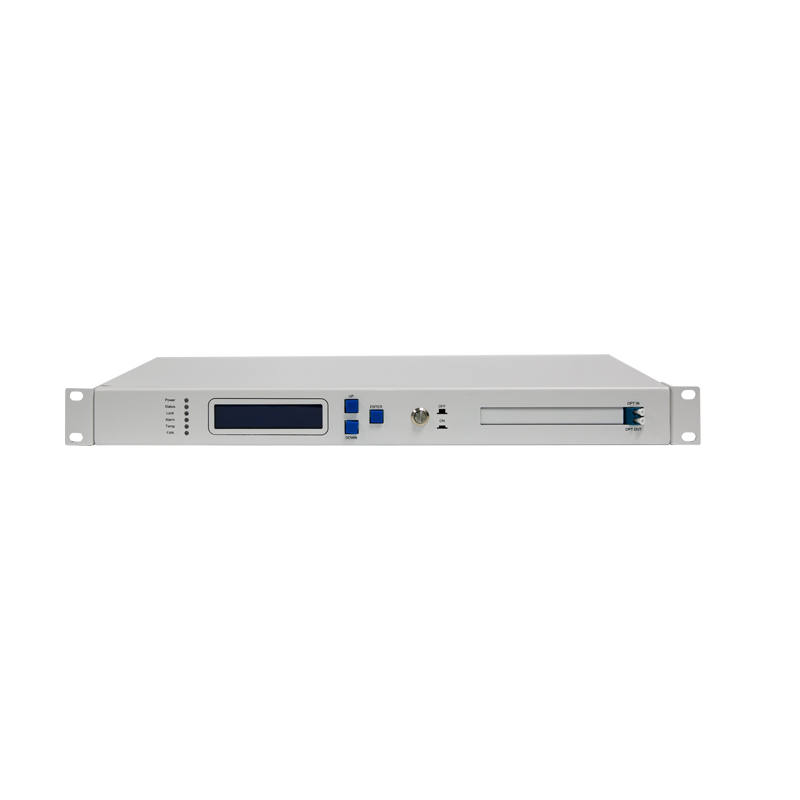
One of the key features of the Rackmount DWDM EDFA is its low noise figure and power consumption, with an operating power consumption of less than 20W, making it an eco-friendly choice for high-density environments. The amplifier's design includes a dual power supply with an online replaceable mechanism, ensuring its continued operation without significant downtime. Additionally, the independent LCD display allows for convenient monitoring of equipment status, enhancing operational efficiency. As organizations increasingly focus on maintaining uninterrupted service delivery, the gain flatness of ≤ ±1dB provided by this technology plays a critical role in minimizing signal distortion over long fiber runs.
Combining these refined capabilities with a standard RJ-45 network management interface ensures seamless integration within existing network infrastructures. The standard 1U rack-mount design not only simplifies installation but also facilitates ongoing maintenance—two crucial factors for organizations investing in scalable and efficient optical network solutions. In a landscape where reliable communication channels are essential, the Rackmount DWDM EDFA stands out as a pivotal component in supporting the ever-expanding digital ecosystem.
FAQS
: FBS are used to assess the integrity and safety of buildings and bridges, enhancing monitoring accuracy by over 30% compared to traditional methods.
FBS detect minute changes in temperature and strain, allowing for real-time data collection and analysis to identify potential failures before they occur.
Using FBS in bridge monitoring can reduce maintenance costs by up to 40% by facilitating predictive maintenance strategies.
FBS continuously monitor stress levels and detect anomalies, which can prevent catastrophic failures and ultimately save lives.
FBS are considered critical in aerospace engineering for measuring stress and strain in aerospace components.
The fiber optic sensor market is expected to grow from USD 2.55 billion in 2020 to USD 4.26 billion by 2025.
FBS are applied in aircraft wings, fuselages, and various structural components to monitor performance under varying loads and conditions.
FBS can operate in harsh environments, making them particularly suitable for aerospace applications.
The use of FBS has resulted in a 30% increase in the accuracy of stress measurements compared to traditional sensors.
The enhanced accuracy of FBS improves safety and contributes to the development of lighter and more efficient aircraft designs.
Conclusion
In recent years, Fiber Bragg Sensors have emerged as pivotal tools in various modern technological applications, highlighting their versatility and effectiveness. These sensors are extensively used in structural health monitoring of buildings and bridges, enabling real-time assessment of structural integrity. Additionally, they play a crucial role in aerospace engineering, providing accurate measurements of stress and strain, and have advanced medical diagnostics through the integration of optical fiber sensors. Fiber Bragg Sensors also contribute to the oil and gas industry's efforts in monitoring pipeline integrity, while their application in environmental monitoring allows for precise tracking of temperature and pressure changes.
Furthermore, the utilization of Fiber Bragg Sensors in smart grids facilitates real-time data acquisition and management, thereby enhancing energy efficiency. The automotive industry also benefits from these sensors for vehicle performance assessment, showcasing their broad applicability across sectors. At Shandong Wanshuo Optoelectronic Equipment Co., Ltd., our 17-year commitment to fiber optic sensing technologies aligns well with the advancements and applications of Fiber Bragg Sensors, as we continue to provide innovative solutions in this dynamic field.

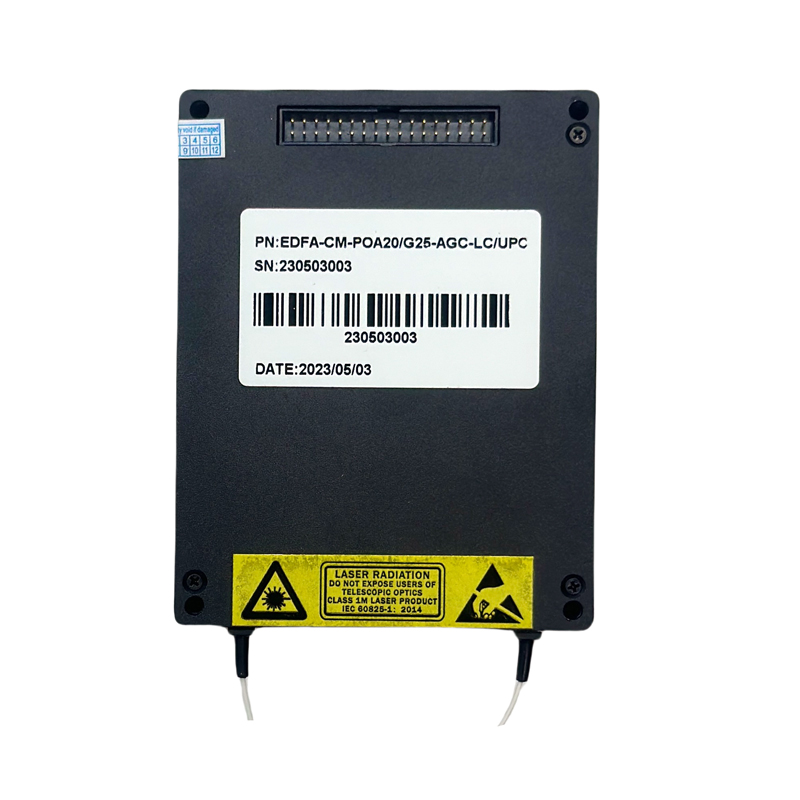 Fiber Amplifier Products
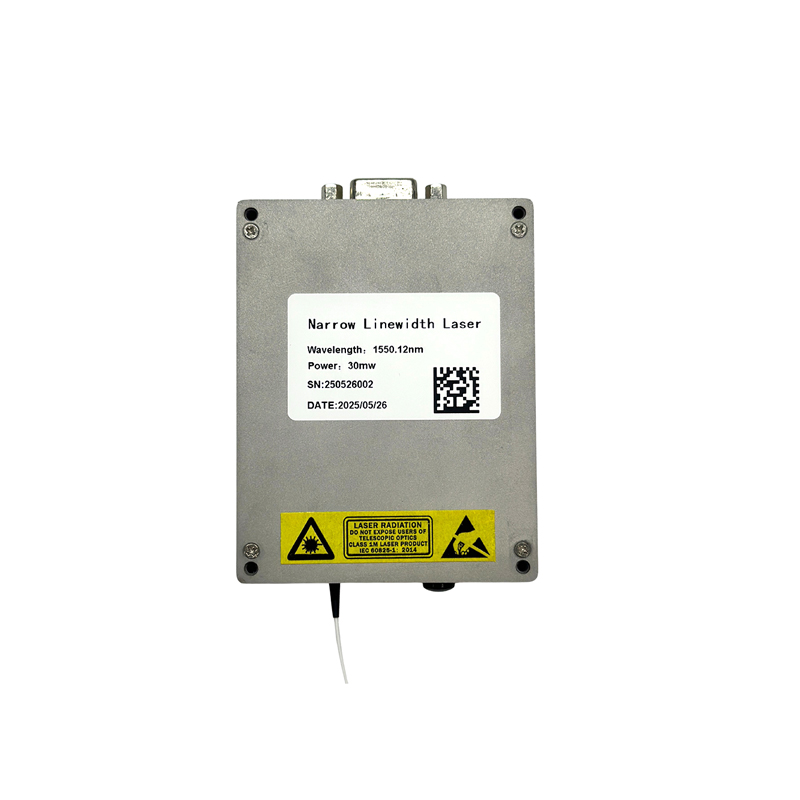 Light Source&Light Harvesting Products
 Optical Device Products
 Subsystem Products
 Instruments and Meters
 Communication Field
 Sensing Field
 Laser Radar
 Research and Medical Care