You know, the demand for really advanced sensing solutions is just skyrocketing these days. And in the midst of all that, China has kinda become the go-to place for making some seriously cutting-edge Fiber Bragg Sensors. These tiny devices are actually pretty crucial across a bunch of industries—think telecom, checking the integrity of structures, and even aerospace stuff. What’s cool is how they give super accurate measurements, making them a must-have for engineers and researchers alike.
There are quite a few top-tier OEMs in China that really know their way around customizing these sensors—companies like HYC and Nanjing Huaguang. They’ve got tons of experience under their belts, and their focus on quality and reliability really sets them apart, especially with how fast this market is changing.
Of course, as tech keeps evolving, so do the ways we can use Fiber Bragg Sensors. But, it’s not all smooth sailing—integrating them into all sorts of systems still poses a bit of a challenge. Everyone in the game is always working to make these sensors better, faster, and more reliable. Looking ahead, it’s clear that teamwork and always staying open to learning are gonna be key to shaping the future of sensing tech in this fast-moving world.

China's Leading OEM Custom Fiber Bragg Sensor Manufacturers
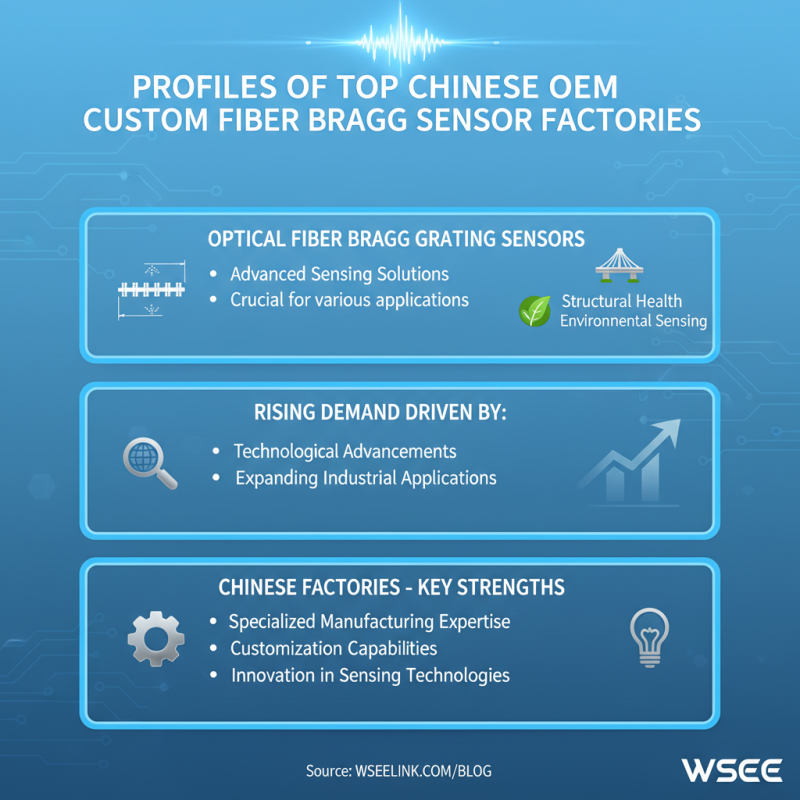
China's Fiber Bragg Sensors are at the forefront of innovative sensing solutions. These devices play a pivotal role in structural health monitoring and temperature measurement. Recent reports indicate a growing market demand for these sensors, projected to reach $1.5 billion by 2025, with a compound annual growth rate (CAGR) of over 12%. This surge is driven by advancements in telecommunications and increased investment in smart infrastructure.
Leading manufacturers focus on custom solutions, catering to diverse industries such as aerospace, oil and gas, and civil engineering. The precision of Fiber Bragg Sensors allows for real-time data acquisition, vital for ensuring safety and efficiency. However, challenges remain. The complexity of manufacturing requires high levels of expertise and quality control. Not all manufacturers can meet these stringent standards, which can affect reliability.
Moreover, the integration of Fiber Bragg Sensors into existing systems poses technical hurdles. Companies must navigate compatibility issues and data processing challenges. Despite these obstacles,innovation continues to thrive in China's OEM sector. The commitment to research and development offers promising avenues for future advancements. As the industry evolves, adaptation and resilience will be crucial for maintaining competitiveness.
Overview of Fiber Bragg Sensors and Their Applications
Fiber Bragg Sensors (FBS) represent a critical advancement in the field of sensing technology. These sensors operate by reflecting specific wavelengths of light, which change in response to external conditions. This ability to provide precise measurements makes them ideal for applications ranging fromstructural health monitoring to temperature sensingin various industries. According to a recent market analysis, the global market for fiber Optic Sensors is expected to reach$3.8 billion by 2024, reflecting a CAGR of 10.5% from 2020.
In construction, FBS help monitor the integrity of bridges and buildings. Engineers can detect stress and strain in real-time, thus preventing catastrophic failures. Furthermore, the oil and gas industry utilizes these sensors for downhole monitoring, ensuring operational safety. Reports indicate that about 70% of oil companies are looking to integrate FBS for enhanced reliability in their operations. Despite their advantages, challenges remain. The sensitivity of FBS can lead to noise interference, complicating data interpretation. Manufacturers are urged to enhance signal processing techniques to address these issues effectively.
Advancements in material science also contribute to the development of FBS. Researchers explore new coatings to improve resistance to harsh environments. This could significantly impact the lifespan and reliability of the sensors. However, the cost of implementation for some applications may deter smaller enterprises from adopting this technology. Overall, as industries demand more robust sensing solutions, Fiber Bragg Sensors will continue to evolve, driving innovation and efficiency across various sectors.
Key Technologies Behind Fiber Bragg Sensing Solutions
Fiber Bragg sensing technology is at the forefront of modern sensing solutions. These sensors leverage the principles of light reflection to provide precise measurements in various applications. The design of a Fiber Bragg Grating Sensor involves creating a periodic structure within the optical fiber. This structure reflects specific wavelengths of light while allowing others to pass through.
The critical technology behind this sensing solution lies in its ability to withstand harsh environments. Fiber Bragg Grating Sensors arelightweight, immune to electromagnetic interference, and offer high sensitivity. They can monitor temperature, strain, and pressure with remarkable accuracy. However, deploying these sensors requires careful calibration. Environmental factors can impact performance, leading to potential inaccuracies if not addressed.
Integrating these sensors into complex systems is another challenge. Data acquisition and processing need to be robust to handle the information collected. There is also a risk of over-relianceon these technologies without understanding their limitations. Continuous research and development are essential to enhance the usability and reliability of Fiber Bragg Grating Sensors. As demand grows, so does the need forinnovation in this field.
Market Demand for Advanced Sensing Solutions in China
The demand for advanced sensing solutions has surged in China. Industries are increasingly recognizing the unique advantages of Fiber Bragg Grating Strain Sensors. These sensors offer high precision, longevity, and resistance to harsh environments. They are ideal for structural health monitoring in construction and civil engineering. As urban development accelerates, the need for reliable infrastructure monitoring becomes critical.
China's manufacturing capabilities in sensor technology have advanced significantly. There are numerous factories specializing in custom Fiber Bragg Grating Strain Sensors. These manufacturers focus on innovation and quality to meet diverse industry needs. However, while they produce highly efficient sensors, consistency in quality can sometimes be a concern. Companies often experience varying results when sourcing from different suppliers.
The integration of advanced sensing solutions is vital for future-proofing industries. Many manufacturers are expanding their investments in research and development. However, the market still lacks in standardized testing protocols for performance verification. This creates ambiguity that can impact decision-making for end-users. As the demand grows, a unified approach toward quality assurance will be essential in ensuring the success of Fiber Bragg Grating Strain Sensors in the market.
China Top OEM Custom Fiber Bragg Sensor Factories for Advanced Sensing Solutions
| Factory Location | Production Capacity (Units/Month) | Key Technologies Used | Market Focus | Annual Revenue (Million USD) |
| Beijing | 10,000 | Fiber Optics, MEMS | Telecommunications | 120 |
| Shanghai | 8,000 | FBG Technology, Data Processing | Industrial Applications | 90 |
| Guangzhou | 12,000 | Smart Sensors, IoT Integration | Smart Cities | 135 |
| Shenzhen | 15,000 | Fiber Sensing, Signal Processing | Energy Sector | 150 |
| Hangzhou | 9,000 | Optical Sensors, Networking | Transport Systems | 80 |
Innovations in Fiber Bragg Sensors by Chinese Manufacturers
Chinese manufacturers are breaking new ground in the field of Fiber Bragg Sensors. These sensors are crucial for structural health monitoring and aerospace applications. Innovations in design and materials are enhancing their functionality and accuracy. The integration of smart technology is a standout feature. This helps in data collection and processing.
Many factories are investing in research and development. They aim to improve sensor sensitivity and responsiveness. This can lead to better performance in various environments. The advancements are not without challenges. Some manufacturers face limitations in scalability and consistency. This raises questions about reliability.
Furthermore, the collaboration among industry players is noteworthy. By sharing knowledge, manufacturers can tackle common issues. They can improve upon current technology. Flexibility in manufacturing processes is also a focal point. Experimenting with new techniques can yield significant results. However, there remains a consistent need for quality control. This ensures that innovations do not compromise reliability.
Future Trends in Fiber Bragg Sensing Technologies in China
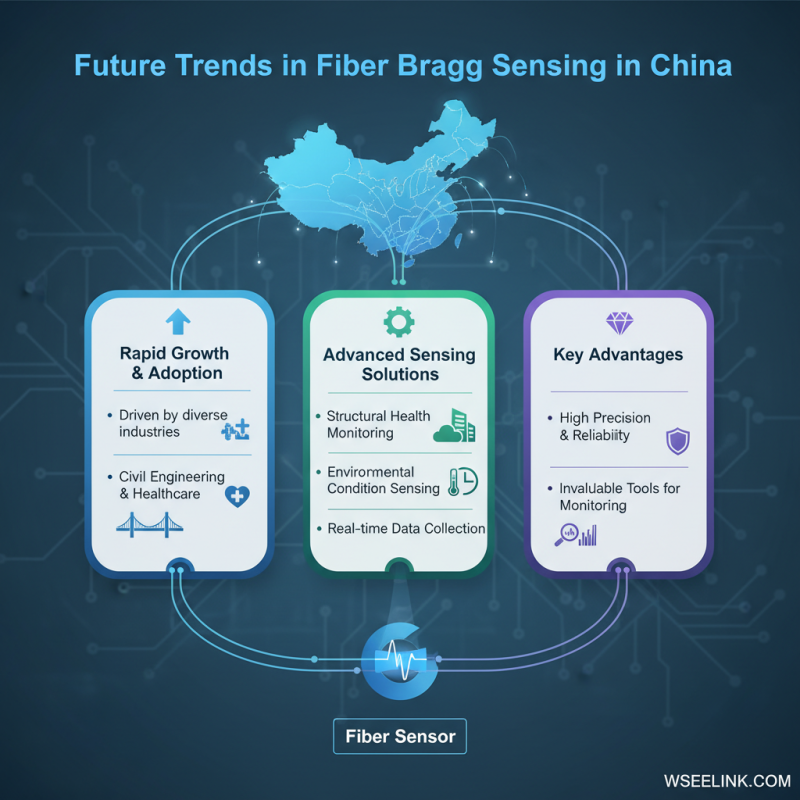
In recent years, Fiber Bragg Sensing technologies have gained significant traction in China. This growth is driven by diverse industries, from civil engineering to healthcare. Manufacturers are increasingly focusing on advanced sensing solutions that can monitor structural health and environmental conditions. The precision of Fiber Sensors allows for real-time data collection, making them invaluable tools.
However, challenges remain in the widespread adoption of these technologies. Integrating Fiber Sensors into existing systems can be complex. This complexity often leads to higher costs and training requirements. Furthermore, ongoing research is necessary to enhance the durability and performance of these sensors under harsh conditions.
As the market evolves, it is crucial to address these hurdles. Collaboration between academia and industry will foster innovation. By sharing insights and best practices, stakeholders can improve reliability and efficiency. The future of Fiber Bragg Sensing technologies in China appears promising, yet cautious optimism is warranted. There is still much to learn and improve upon.
Conclusion
The article explores the landscape of Fiber Bragg Sensor manufacturing in China, highlighting the country's leading OEM custom factories and their contributions to advanced sensing solutions. Fiber Bragg Sensors, known for their precision and reliability, serve diverse applications ranging from structural health monitoring to environmental sensing. The article delves into the key technologies underpinning these sensors and emphasizes the growing market demand for innovative sensing technologies in various industries.
Furthermore, it profiles top Chinese manufacturers and their recent innovations in Fiber Bragg Sensors, showcasing advancements that position them at the forefront of global sensing solutions. Additionally, the article discusses future trends in the technology, indicating a promising trajectory for Fiber Bragg Sensing solutions within the Chinese market as manufacturers continue to push the boundaries of what is possible in sensing technology.

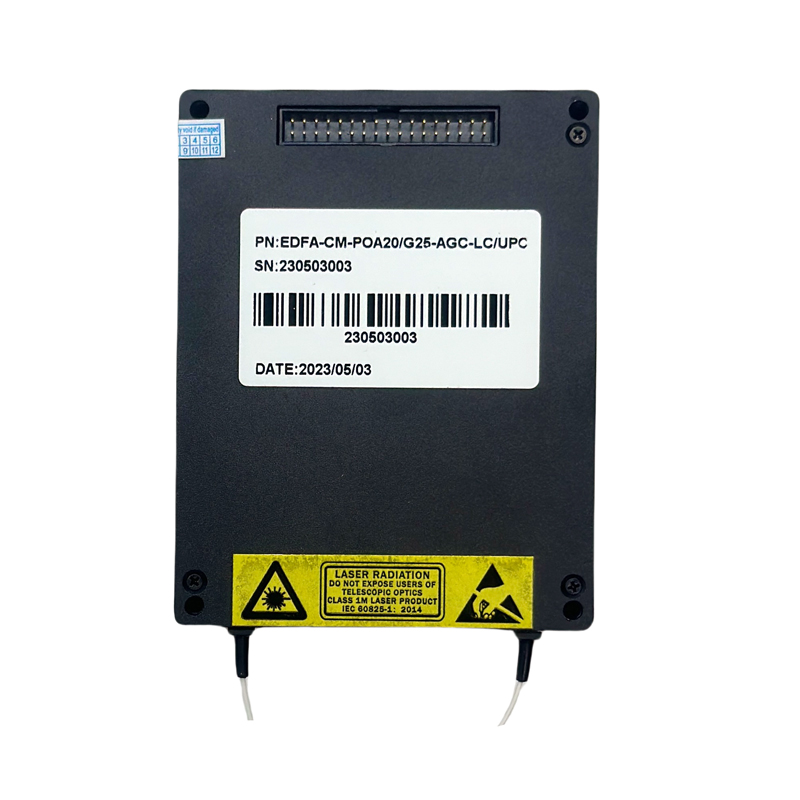 Fiber Amplifier Products
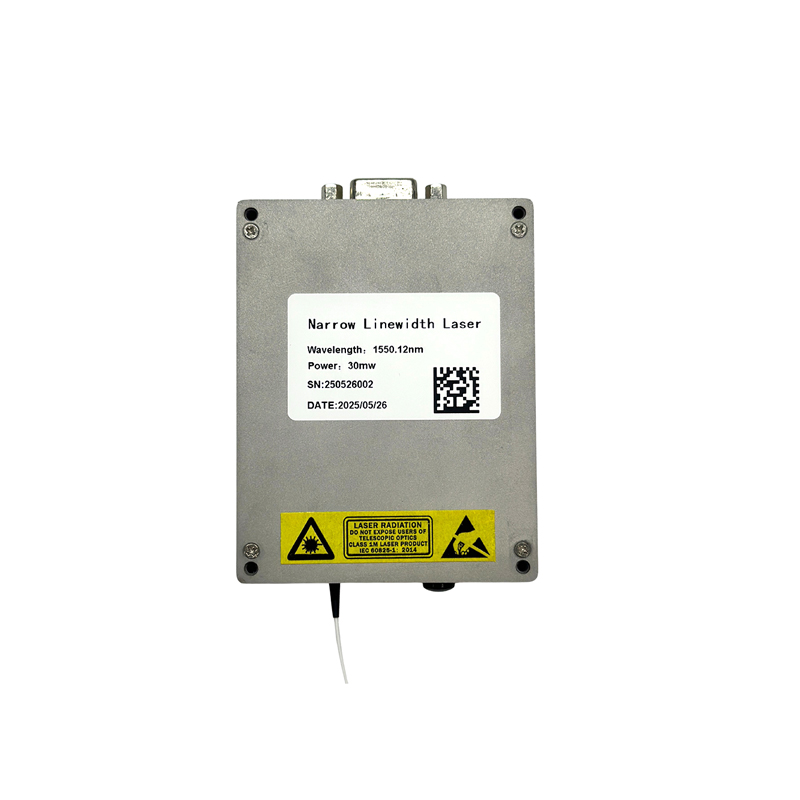 Light Source&Light Harvesting Products
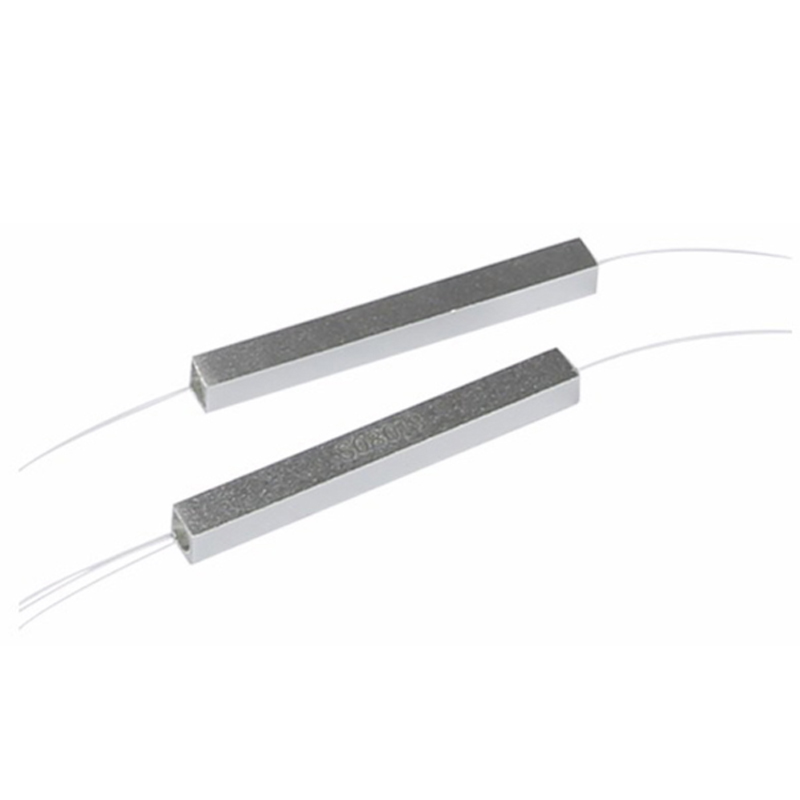 Optical Device Products
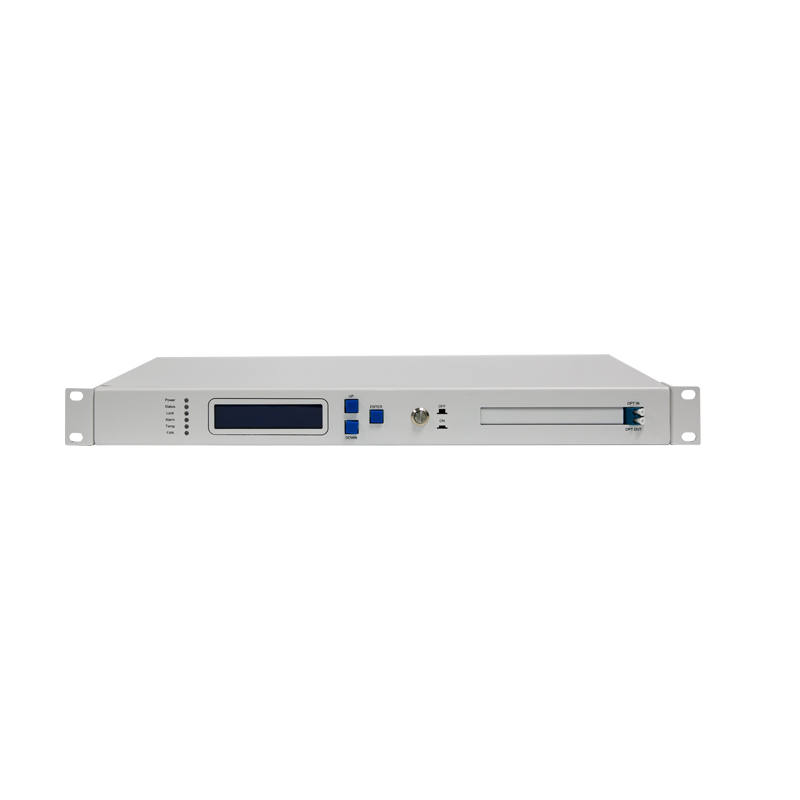 Subsystem Products
 Instruments and Meters
 Communication Field
 Sensing Field
 Laser Radar
 Research and Medical Care