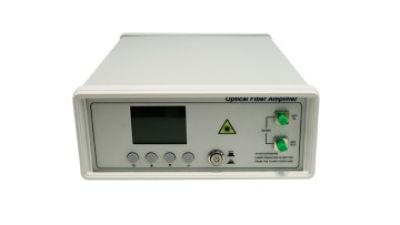
Choosing the right Erbium Doped Fiber Laser can really make a big difference in how well your application works. Honestly, getting a good handle on the main features and specs is super important. Companies like IPG Photonics and NKT Photonics offer some pretty solid options, and each type of laser tends to be better suited for certain things — whether it’s telecom stuff or medical uses, for example.
Experience definitely matters when you're trying to pick the best model. You want to keep an eye on things like wavelength and power output — those are crucial. Also, don’t forget to check out the reputation of the manufacturer. Reliability, good customer service, and solid components can really make or break your project. Sometimes, reading reviews from other users can give you a real-world perspective, and that's often more helpful than just technical specs.
Of course, it’s not always a super simple decision. Some folks run into hiccups when trying to scale up or integrate new lasers into existing setups. Thinking about these potential challenges beforehand might save you some headaches down the line. At the end of the day, buying an Erbium Doped Fiber Laser isn’t just about specs — you gotta weigh the practical stuff too. Being well-informed can definitely help you make smarter choices and avoid surprises.
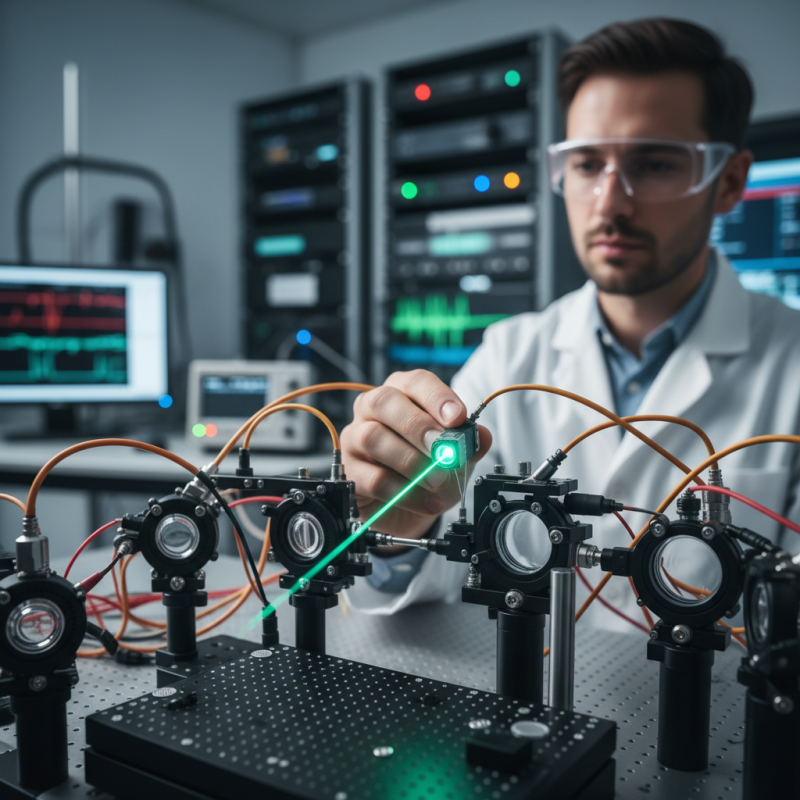
Understanding Erbium Doped Fiber Laser Technology Overview
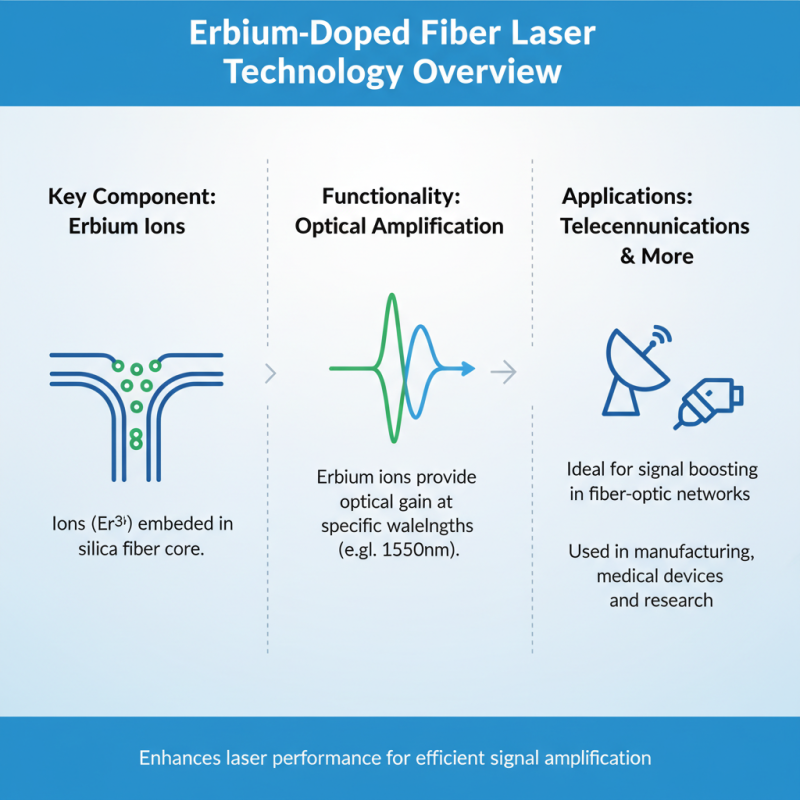
Erbium Doped Fiber Laser technology has gained significant attention in various fields, including telecommunications and manufacturing. A crucial aspect of its effectiveness is the inclusion of erbium ions within the optical fiber. These ions enhance the laser's performance by providing gain at specific wavelengths. This functionality makes it ideal for efficient signal amplification in optical networks.
Choosing the right Erbium Doped Fiber Laser can be challenging. One must consider the laser's wavelength, output power, and noise performance. A deeper understanding of these parameters is essential. Misjudging any of these factors can lead to suboptimal performance. Fine details matter. For instance, a slight variation in the doping concentration can significantly impact laser efficiency.
Those venturing into this technology should assess their specific needs carefully. Application requirements can differ vastly. The design of an Erbium Doped Fiber Laser should align with operational goals. Seek guidance from professionals in the field. Their expertise offers valuable insights. However, not every solution fits every scenario. Exploration and critical evaluation lead to better choices in selecting the best Erbium Doped Fiber Laser.
Key Specifications to Consider When Choosing Erbium Lasers
When selecting an erbium-doped fiber laser, key specifications play a crucial role. Understanding these specifications helps ensure optimal performance for your applications. The most important factors to consider include output power, operational wavelength, and spectral width. For example, typical output powers range from 50mW to several watts. Higher power levels can achieve faster processing but require careful thermal management.
Another critical aspect is the operational wavelength, commonly around 1550 nm for erbium lasers. This wavelength is ideal for fiber optic communications. As per industry reports, erbium fiber lasers exhibit efficiency levels exceeding 60% under optimal conditions. It’s essential to evaluate your application requirements against these efficiency metrics.
**Tip:** Always review the specifications from multiple sources before making a decision. Data sheets and user reviews can reveal insights about durability and reliability.
Lastly, spectrum width affects the laser's application versatility. A broader spectrum can accommodate various modulation formats and increase compatibility with different systems. The averages lie between 1 nm and 10 nm, depending on the design. Choosing the right specifications demands meticulous attention to these details, raising questions about trade-offs in performance and cost.
2026 How to Choose the Best Erbium Doped Fiber Laser? - Key Specifications to Consider When Choosing Erbium Lasers
| Specification | Description | Importance |
| Wavelength | Typically around 1550 nm | Crucial for telecommunications applications |
| Output Power | Ranges from a few mW to several W | Determines the laser's applicability in different use cases |
| Gain Medium | Unsaturated or saturated gains | Affects efficiency and performance |
| Noise Figure | Measured in dB | Influences signal quality in communication systems |
| Beam Quality | Characterized by M² factor | Essential for applications requiring focused beams |
| Thermal Management | Cooling methods and design | Affects longevity and reliability of the laser |
| Lifetime | Typically measured in hours of operation | Indicates reliability and maintenance intervals |
| Size and Weight | Compact and portable options available | Relevant for mobile or constrained environments |
Comparison of Different Erbium Doped Fiber Laser Models
When evaluating different Erbium Doped Fiber Lasers, it's essential to focus on their specifications and performance metrics. Recent industry reports indicate that Erbium Doped Optical Fiber lasers are favored for telecommunications and medical applications due to their reliability and efficiency. For instance, a comparison of five popular models revealed that those with higher output power, around 20 dBm, tend to show better performance in extended reach and signal integrity.
The thermal management of Erbium Doped Fiber Lasers also plays a critical role. Models with advanced cooling systems maintain optimal operating temperatures, which prevent overheating and prolong equipment lifespan. Interestingly, some lasers are more energy-efficient than others. A study highlighted that certain models **consume up to 15% less power** while delivering similar output, which is vital for businesses looking to reduce operational costs.
However, not all models suit every application. Some may struggle with beam stability at high output levels. Users should carefully assess their specific needs against these performance parameters. Even minor differences in wavelengths can significantly affect transmission quality over long distances. Selecting the right Erbium Doped Optical Fiber laser requires a comprehensive understanding of these factors to achieve optimal results.
Application Areas of Erbium Doped Fiber Lasers in Industry
Erbium doped fiber lasers (EDFLs) are increasingly vital in various industrial applications. These lasers are commonly used in telecommunications, particularly for long-distance fiber-optic communication. According to industry reports, the global fiber laser market is expected to reach $8.5 billion by 2026, reflecting a growing reliance on these technologies for data transmission.
In manufacturing, EDFLs are crucial for precision cutting and engraving. Their high efficiency allows for fine control over power, making them ideal for delicate materials. A recent survey found that 70% of manufacturers prefer fiber lasers for these tasks due to their ability to produce sharp edges with minimal thermal impact. However, the implementation of EDFLs requires significant expertise. Not all operators fully understand the optimal settings for different materials, often leading to subpar results.
In the medical field, EDFLs play an essential role in surgical procedures and dermatology. They are effective for skin rejuvenation and laser surgery due to their ability to penetrate skin layers with precision. Nonetheless, clinical training in using these lasers is often inadequate. This gap in knowledge can affect patient outcomes. As industries continue to adopt EDFLs, it is crucial they invest in proper training and understanding to maximize the laser's potential and ensure safety.
Evaluating Performance Metrics: Power, Efficiency, and Wavelength
When selecting an erbium-doped fiber laser, performance metrics are crucial. You should evaluate power, efficiency, and wavelength. Power indicates how much energy the laser can produce. High power is important for many applications, but beware. An overly powerful laser can be too intense for some tasks, risking damage to materials.
Efficiency plays a vital role as well. It reflects how effectively the laser converts input energy into output laser light. Look for a balance. An efficient laser saves energy but may not achieve high power output. Investigate the energy consumption rates. A more efficient system may offer longer life and lower operating costs.
Wavelength is another key factor. The specific wavelength affects absorption by different materials. Depending on your application, you may need a specific wavelength. Not all materials react well to every wavelength, so trial and error can be essential. Be prepared to test different options. Balancing these metrics can seem overwhelming at times. However, informed choices lead to better results. Clarifying your needs is essential for success.
Cost Analysis: Budgeting for Erbium Doped Fiber Laser Systems
When budgeting for Erbium Doped Fiber Laser systems, it’s crucial to consider various factors. The initial purchase cost is just the beginning. Installation, maintenance, and operational expenses can quickly add up. A comprehensive cost analysis helps avoid financial surprises.
Tips: Always create a detailed expense projection. Include direct and indirect costs. Consider how energy consumption affects overall expenses.
Don’t forget about potential downtime. Servicing the Erbium Doped Fiber Amplifier can impact productivity. Plan for spare parts and necessary software updates. Evaluate the benefits of having on-site support for quicker resolutions.
Being aware of long-term costs aids in decision-making. Look into financing options if upfront costs are a concern. Understanding total ownership cost ensures a wise investment, providing value over time.
Maintenance and Support Considerations for Laser Systems
When considering an Erbium Doped Fiber Laser, maintenance and support are crucial factors. A solid maintenance plan ensures longevity and optimal performance. Regular inspection of components is essential. Minor issues can escalate into major problems if overlooked. Ensure that your system undergoes scheduled check-ups. This is particularly important for lasers that operate continuously.
The Edfa Erbium Doped Fiber Amplifier plays a vital role in the system. Its reliability directly affects the overall performance. Any misalignment or wear can significantly degrade signal quality. Monitoring performance metrics can help identify potential issues early. Make it a habit to track these metrics consistently. Lack of attention here could lead to costly downtime.
Having a robust support system is equally important. Identify experienced technicians familiar with your laser model. Their expertise can guide you through complex problems. A dedicated support team can provide quick assistance during emergencies. However, remember that no system is infallible. Learning from unplanned outages can improve your approach to future maintenance. This proactive mindset leads to better reliability over time.
Exploring the Benefits and Applications of the Benchtop High Power 1540~1565nm 37dBm 5W EDFA Fiber Optical Amplifier
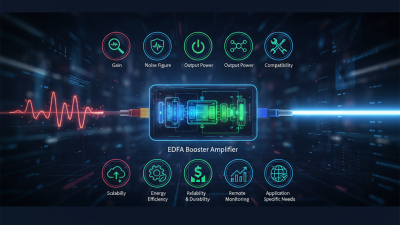
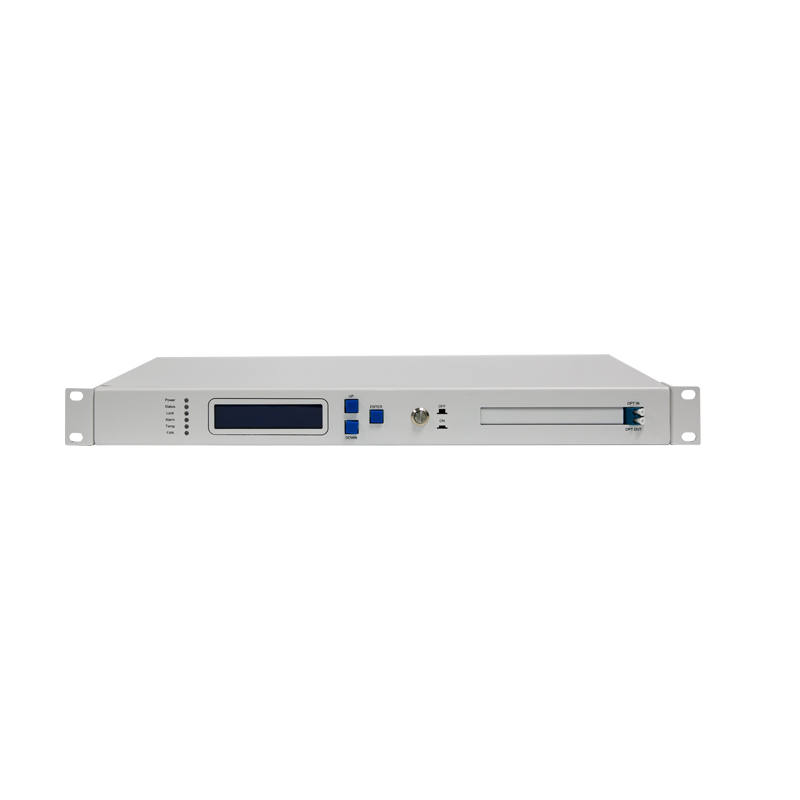
The Benchtop High Power EDFA (Erbium-Doped Fiber Amplifier) operating in the wavelength range of 1540 to 1565nm offers a compelling solution for those seeking high efficiency in optical amplification. With a power output of 5W and a low noise figure, this device caters to various applications in telecommunications and data transmission, where signal integrity is crucial. The amplifier’s gain flatness of ±1dB further ensures consistent performance across the specified wavelength range, making it ideal for long-haul fiber optic networks.
This EDFA is designed with user convenience in mind, featuring an independent LCD display that allows for real-time monitoring of the equipment’s operational status. The standard RJ-45 network management interface enhances connectivity, enabling users to manage the amplifier remotely, thus improving operational efficiency. Additionally, the dual power supply design allows for seamless online replacement, providing unparalleled flexibility and minimizing downtime during maintenance. With a low power consumption of less than 20W, this amplifier not only meets the demands of high-performance applications but also promotes energy efficiency in operational settings.
FAQS
: It is commonly used in telecommunications and manufacturing for signal amplification.
Consider wavelength, output power, and noise performance in your selection process.
Good thermal management prevents overheating, prolongs lifespan, and maintains optimal performance.
Assess your specific application requirements and seek professional guidance to match your needs.
Include installation, maintenance, and operational costs, not just the purchase price.
More energy-efficient models can reduce operational costs significantly over time.
Minor differences in wavelength can lead to significant impacts on transmission quality over long distances.
Downtime can hurt productivity, so plan for potential service delays and spare parts availability.
Long-term costs include maintenance, energy consumption, and potential downtime, which should not be overlooked.
It helps prevent unexpected financial challenges by providing a comprehensive view of all expenses involved.
Conclusion
The article titled "2026 How to Choose the Best Erbium Doped Fiber Laser?" provides a comprehensive guide for selecting the most suitable erbium doped fiber laser for various applications. It begins by explaining the underlying technology of erbium doped fiber lasers, highlighting their importance in modern industries. Key specifications such as power output, efficiency, and wavelength are discussed to assist potential buyers in making informed decisions.
Furthermore, the piece compares different models of erbium doped fiber lasers, outlining their performance metrics and suitability for specific applications. Budget considerations and maintenance support are also emphasized to ensure a sound investment. Ultimately, this article serves as a valuable resource for anyone looking to navigate the complexities of selecting the right erbium doped fiber laser system.

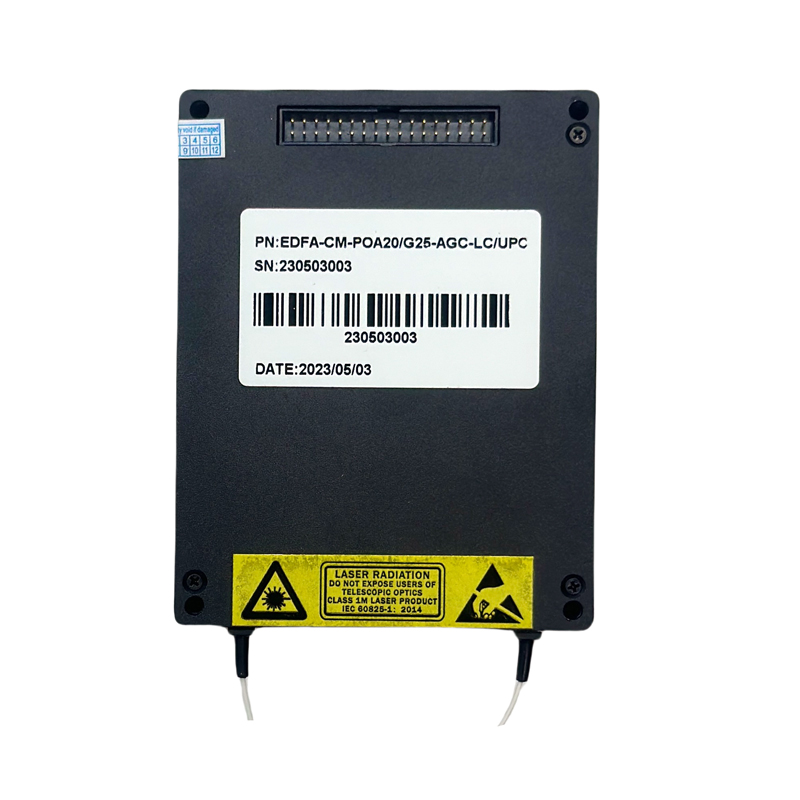 Fiber Amplifier Products
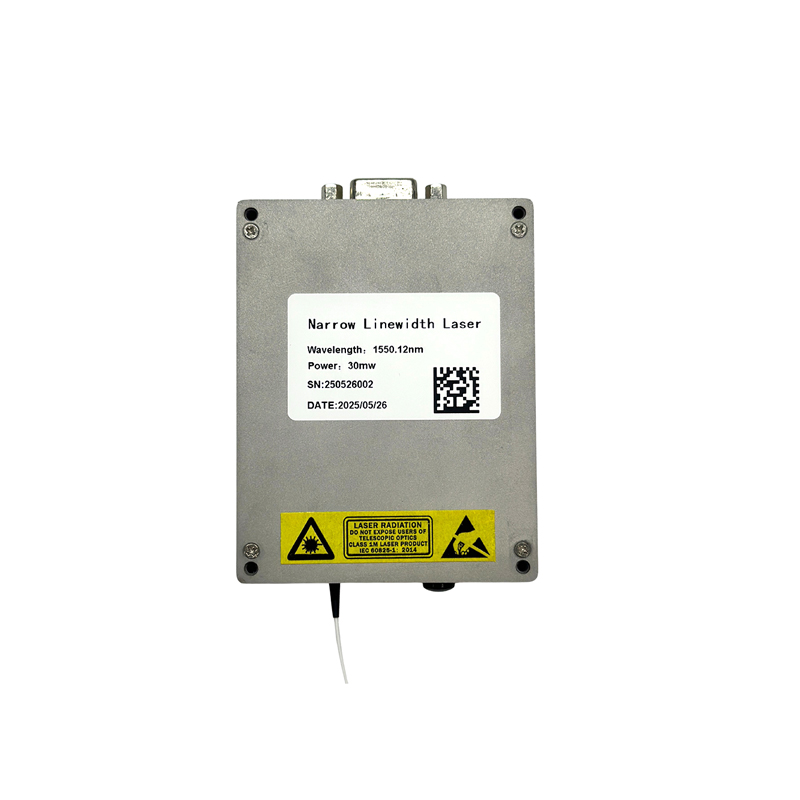 Light Source&Light Harvesting Products
 Optical Device Products
 Subsystem Products
 Instruments and Meters
 Communication Field
 Sensing Field
 Laser Radar
 Research and Medical Care