Lately, the whole security scene has been changing pretty quickly, mainly because of new tech coming into play. One cool thing that’s been catching people’s attention is Fiber Optic Intrusion. It's turning into a really important tool for protecting sensitive spots. According to a report from MarketsandMarkets, the fiber Optic Sensor market is expected to hit around $6.6 billion by 2025. That just shows how much everyone’s looking for stronger, smarter ways to keep stuff safe.
So, how does Fiber Optic Intrusion actually work? Basically, it uses special sensors built right into fiber optic cables to spot any sneaky intrusions. These sensors are pretty sensitive—they can pick up even tiny movements or disturbances. That makes them super effective for safeguarding critical infrastructure. A study published in the International Journal of Security and Networks even mentions that using these systems can cut down security breaches by up to 90%. Crazy, right? But, of course, relying on tech isn’t perfect; it raises questions about what happens if something goes wrong. While fiber optics do a great job at detection, there are still some hurdles, like installing and maintaining these systems properly.
Oh, and let’s not forget—while Fiber Optic Intrusion systems promise better security, they’re not foolproof. The tech can be complicated, which sometimes leads to false alarms or missed alerts. So, as companies start to rely more on these solutions, it’s really important to keep reviewing how they’re set up, making sure everything’s working as it should. Finding the right balance between embracing new tech and managing practical risks—that’s the challenge security folks are facing today.
Definition of Fiber Optic Intrusion
Fiber Optic Intrusion refers to the use of fiber optic technology to detect unauthorized access to sensitive areas. This method relies on the unique properties of fiber optics. Fiber optic cables are made from glass or plastic, enabling them to transmit light. When the light pathway is disrupted, it indicates a potential breach. This system is crucial for security in various facilities, including data centers and government buildings.
According to the report by MarketsandMarkets, the global fiber Optic Sensor market is expected to reach $3.5 billion by 2024. This growth reflects the rising demand for enhanced security measures. As organizations face increasing threats, Fiber Optic Intrusion systems offer a reliable solution. They are often impervious to electromagnetic interference, making them ideal forhigh-security environments.
Tips: Always consider the installation environment. Properly securing fiber optics can mitigate false alarms. Regular monitoring is essential. Inadequate upkeep might lead to undetected intrusions. Invest in training staff on system operation. Human error can significantly undermine security efforts. Reflect on existing security measures and identify areas for improvement.
Principles of Fiber Optic Technology
Fiber optic technology plays a crucial role in modern security systems. It leverages light transmission through glass fibers to detect unauthorized access and breaches. This technology operates on the principle of light reflection and refraction. When light travels through fiber optic cables, any disturbance along the perimeter can cause changes in the light signal. This enables systems to identify disturbances. According to industry reports, fiber optic systems can achieve detection ranges of over two kilometers.
Perimeter Intrusion Fiber Optic systems provide several advantages. They are impervious to electromagnetic interference and can be buried underground or embedded in fences. This technology is suitable for high-security areas like military bases and data centers. Many reports indicate that fiber optics can reduce false alarms by up to 90% compared to traditional sensors. However, installation and maintenance can be complex, requiring skilled personnel.
Despite its effectiveness, Fiber Optic Intrusion systems are not foolproof. Environmental factors can impact their performance. Factors like temperature changes or physical damage may lead to erroneous readings. Continuous development is needed to ensure optimal functionality. The evolution of this technology is ongoing, and capturing perfect conditions might remain elusive. Balancing reliability and adaptability is essential for future innovations.
Components of Fiber Optic Intrusion Systems
Fiber Optic Intrusion systems utilize light transmission to detect unauthorized access. These systems are composed of several essential components that contribute to their effectiveness. The core element is fiber optic cable, which transmits light signals. If the cable is disturbed, the light changes, triggering an alarm.
Another vital component is the light source. This is typically a laser or LED that sends a continuous signal down the fiber cable. When disruption occurs, variations in light intensity signal a potential intrusion. Sensors are also crucial, as they monitor light levels closely to detect any abnormalities.
Tips: Regular maintenance of these components is necessary for optimal performance. Ensure that the cables are kept clean and free from physical obstructions. Weak spots can occur over time, which may lead to false alarms.
In addition, the control unit is where all signals are processed. It interprets data from the sensors. If management isn't careful, they can overlook smaller alerts, which can escalate into significant issues. Proper training for personnel is vital to understand the system fully.
How Fiber Optic Intrusion Detection Works
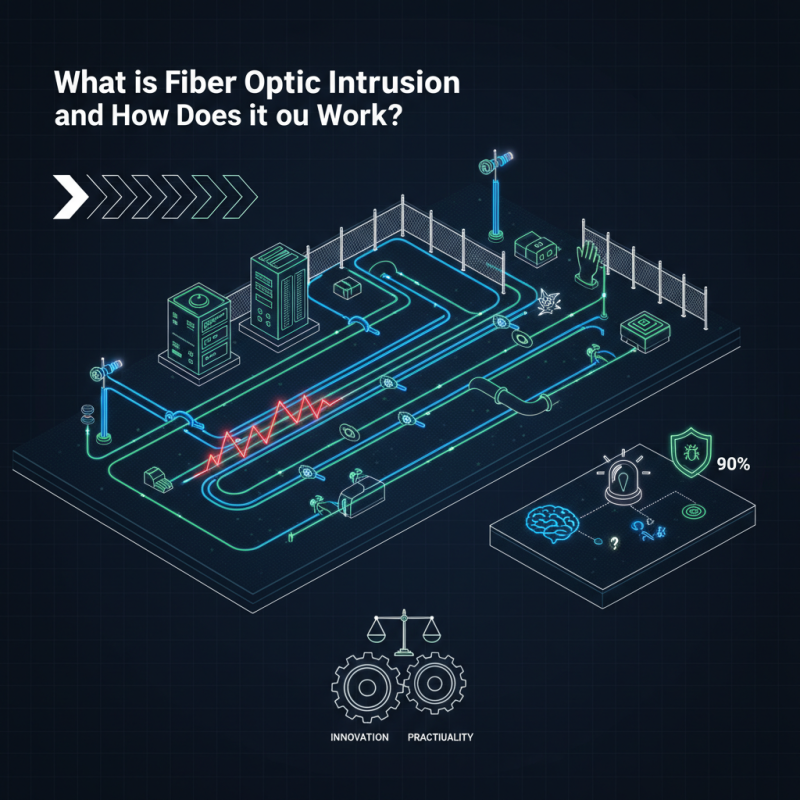
Fiber Optic Intrusion Detection leverages light signals to identify potential threats. It uses a network of fiber optic cables. These cables are sensitive and can detect disturbances in their surroundings. When someone tries to breach a secured area, the vibrations or movements affect the light transmission. This change is detected by the system.
The technology captures variations in light frequency. It converts these changes into data. Analyzing this data helps identify the type and location of the intrusion. Imagine a peaceful night disturbed by footsteps. The fiber optic cables monitor such disturbances discretely. They send alerts almost immediately, allowing for rapid response.
However, challenges exist. Environmental factors can cause false alarms. Heavy rain or even wind can interfere with readings. Fine-tuning the system is crucial to minimize these errors. Continuous improvement of algorithms and sensitivity settings is needed. The balance between detection accuracy and minimizing disturbances can be tricky.
What is Fiber Optic Intrusion and How Does it Work?
| Detection Method | Technology Type | Application Area | Response Time | False Alarm Rate |
| Fiber Optic Sensors | Distributed Sensing | Perimeter Security | Immediate | Low |
| Bragg Grating Sensors | Resonant Sensing | Infrastructure Monitoring | Seconds | Moderate |
| Optical Time Domain Reflectometry (OTDR) | Time Domain | Utility Monitoring | Minutes | High |
Advantages of Fiber Optic Intrusion Systems
Fiber optic intrusion systems offer several significant advantages for security. Unlike traditional sensors, they use light to detect breaches. This technology can cover vast areas with minimal equipment. Fiber optic cables are durable and immune to electromagnetic interference. They can be deployed in varied environments, from urban settings to remote locations.
One common benefit is their sensitivity. Any disturbance along the fiber can trigger an alert. This makes them ideal for monitoring perimeters, pipelines, or sensitive areas. Additionally, installation can be straightforward, though careful planning is essential. The cost can sometimes be a concern; however, long-term savings often justify the investment.
Another advantage is integration. Fiber Optic Intrusion Detection can work seamlessly with other security systems. They provide real-time data, which is valuable for response strategies. The technology is evolving, but it may not yet be suitable for every situation. Scaling the system can create challenges. Nevertheless, the potential benefits continue to attract interest. Fiber Optic Intrusion Detection represents a forward-thinking approach to security solutions.
Advantages of Fiber Optic Intrusion Systems
Applications of Fiber Optic Intrusion in Security
Fiber Optic Sensor Intrusion Detection is transforming security across various sectors. This technology uses glass fibers to detect intrusions. Reports indicate that the global fiber optic sensor market will reach over $5 billion by 2025. Such growth shows heightened interest in advanced security solutions.
In critical infrastructure, fiber optic intrusion systems are vital. They can sense vibrations along the cable line. This allows for early detection of unauthorized access. For instance, when a fence is cut or a barrier is breached, the system alerts security personnel immediately. The accuracy of these sensors minimizes false alarms. This is crucial in environments where every second counts.
Despite these advancements, challenges remain. Reliability can be affected by environmental factors like temperature or moisture. Some installations require specific calibration. Additionally, integrating fiber optic sensor technology into existing systems may be complex. Organizations must weigh the benefits against these hurdles. Still, the potential for improved security remains a driving force behind the adoption of fiber optic intrusion systems in today's world.
Future Trends in Fiber Optic Intrusion Technology
Fiber optic intrusion technology is evolving rapidly. This technology uses light to detect unauthorized access. It monitors physical spaces effectively. The use of fiber optics provides real-time data. This data helps in quick decision-making. However, it is not without challenges. Environmental factors can affect signal clarity.
Future trends show enhanced sensitivity in detection capabilities. New materials may improve signal integrity. More companies are investing in these technologies. We might see integration with AI in the future. AI can analyze data faster and more accurately. This advancement will lead to proactive security measures.
Tips:
Always ensure the installation is done correctly. Misalignment can lead to missed intrusions. Regular maintenance is crucial. Fiber optics can be delicate and may need checking. Furthermore, training personnel on how to respond to alerts is vital. This ensures a swift response to potential threats.
Enhancing Network Performance: Insights from the 2023 Global Market Report on SOA Semiconductor Fiber Optical Amplifiers
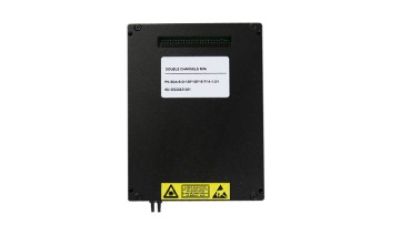
The 2023 Global Market Report on SOA Semiconductor Fiber Optical Amplifiers highlights the increasing demand for high-performance optical networks that support a growing array of applications, from telecommunications to data centers. Insights from the report reveal that the market for SOA amplifiers is projected to witness a notable growth, driven by the need for low noise and low power consumption in optical communication systems. This growing emphasis on sustainability and efficiency aligns perfectly with the advancements in technology that enable these amplifiers to deliver output power up to 10 dBm and a gain of 14 dB.
Among the critical features characterized in the industry report, the flexibility of deploying both 1x and 2x arrays positions SOA amplifiers as versatile solutions that can adapt to diverse network architectures. The availability of three operational modes—Automatic Pump Control (APC), Automatic Gain Control (AGC), and Automatic Current Control (ACC)—enhances the capability of these amplifiers to optimize performance based on specific networking scenarios. Furthermore, the option for customization allows system integrators to tailor the amplifiers to meet specific performance criteria and operational requirements, making them an attractive choice for a wide range of applications.
As network demands continue to evolve, the importance of employing advanced SOA techniques cannot be overstated. The integration of these high-performing amplifiers into modern infrastructure is essential for enhancing network reliability and capacity, ultimately leading to improved user experiences and operational efficiencies. The insights from the 2023 market report indicate a robust trend towards more intelligent and efficient optical networking solutions, reinforcing the critical role of SOA amplifiers in the industry.
FAQS
: You can find a variety of products online. They range from clothing, electronics, to home goods.
Look for verified sellers and read customer reviews. Secure payment options can help too.
Contact customer service immediately. They usually guide you on returning or exchanging the item.
Yes, after shipping, a tracking number is typically provided. Use it to monitor your delivery status.
Return policies vary. Some sellers offer free returns, while others may charge fees. Always check details.
Most platforms accept credit cards, debit cards, and digital wallets. Ensure your choice is secure.
Shipping times depend on location and seller. It can range from a few days to a couple of weeks.
Changes depend on the seller's policy. Act quickly if you need to modify your order.
Yes, most platforms have customer support. They are usually available via chat, email, or phone.
Orders may be canceled due to stock issues or payment problems. It’s frustrating, but communication helps clarify.
Conclusion
Fiber Optic Intrusion refers to a sophisticated security technology that utilizes fiber optic cables to detect unauthorized access or breaches in secured areas. This system operates on the principles of light transmission, where alterations in the light signal within the fiber optics indicate potential intrusions. The key components of fiber optic intrusion systems include the fiber cables, sensors, and monitoring equipment, which work in unison to provide real-time alerts.
The effectiveness of Fiber Optic Intrusion lies in its ability to cover extensive areas while being resistant to environmental influences and electromagnetic interference. Its applications range from securing perimeters around sensitive facilities to monitoring critical infrastructure. As technology advances, future trends in Fiber Optic Intrusion show promise for enhanced sensitivity, integration with smart security systems, and the potential for artificial intelligence to improve detection capabilities. Overall, fiber optic intrusion technology represents a significant leap forward in security solutions, ensuring higher levels of protection against unauthorized intrusions.

 Fiber Amplifier Products
 Light Source&Light Harvesting Products
 Optical Device Products
 Subsystem Products
 Instruments and Meters
 Communication Field
 Sensing Field
 Laser Radar
 Research and Medical Care