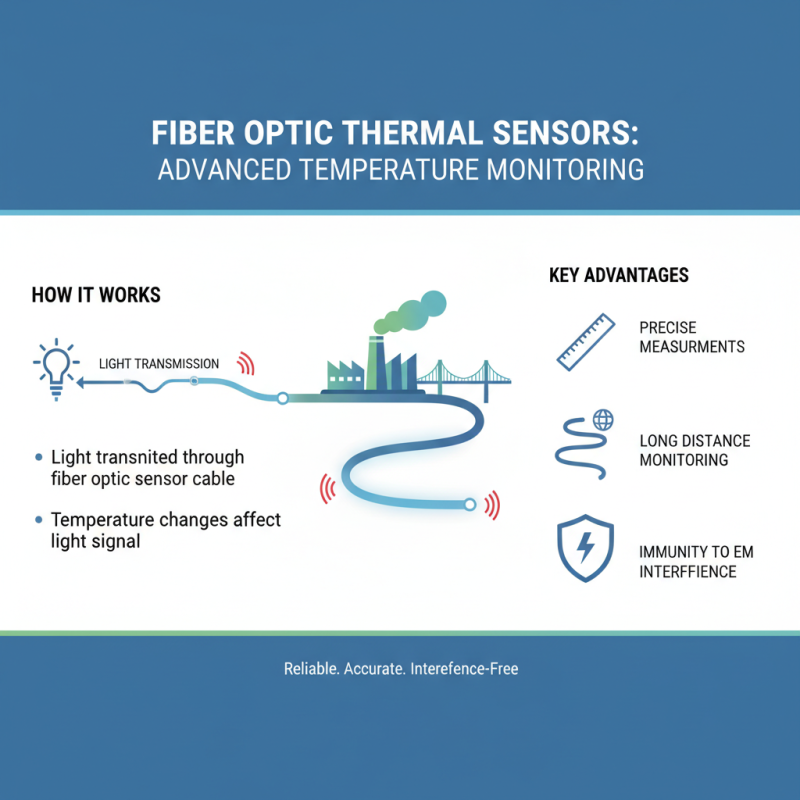
Hey, have you heard about Fiber Optic Thermal Sensors? They're pretty amazing devices used for keeping an eye on temperature changes. These sensors are super sensitive and give really precise readings. What’s cool is that they work by sending light through optical fibers, which then detect how the temperature fluctuates — it’s actually quite fascinating how it all works.
Basically, when light moves through one of these fibers, its properties change depending on the temperature, and then those changes are measured and analyzed. Companies like Optron and OptoFidelity are really pushing the boundaries here, constantly coming up with new innovations that help us better understand and use thermal sensing technology.
Of course, it’s not all smooth sailing. Setting them up and keeping them in tip-top shape can be tricky and might require some specialized knowledge. Plus, not every industry is jumping on this tech bandwagon just yet. Like with any new tech, there are some limitations, and it’s good to be aware of those. Getting a solid handle on these little nuances can really make a difference when you're trying to make the most out of Fiber Optic Thermal Sensors in real-world situations.
What Are Fiber Optic Thermal Sensors?
Fiber Optic Thermal Sensors are advanced devices that measure temperature changes with high precision. These sensors leverage the principles of light transmission through optical fibers. When the temperature fluctuates, the light properties within the fiber alter, allowing for accurate readings. Industry reports indicate that the market for fiber optic sensors, includingFbg Fiber Optic Sensor, is projected to reach $2 billion by 2025, driven by increased demand for safety and monitoring systems.
These sensors operate without electrical interference, making them ideal for various environments, including hazardous areas. Their ability to cover long distances without losing accuracy is a significant advantage. Despite their benefits, some challenges exist. For instance, complexity in installation can lead to errors. Additionally, precise calibration is needed for optimal performance. Current data shows that accurate calibration can enhance reliability by up to 20%.
In critical applications, such as industrial monitoring, Fiber Optic Thermal Sensors play a vital role. However, market penetration varies across regions. Reports suggest that some areas still lag in adopting this technology. As industries increasingly recognize the potential of Fbg Fiber Optic Sensors, more widespread adoption seems inevitable. This shift may prompt further innovations and improvements in sensor technology over time.
Principles of Operation for Fiber Optic Thermal Sensors
Fiber Optic Thermal Sensors are innovative devices used to measure temperature changes with high precision. These sensors operate on the principle of light transmission through optical fibers, where temperature variations cause changes in the light properties, such as intensity and wavelength. This allows real-time monitoring of temperature across vast distances without significant signal degradation.
The primary mechanism at play is known as Rayleigh scattering. When light travels through the fiber, it scatters at different rates depending on the temperature. By analyzing the scattered light, one can determine the temperature profile along the fiber's length. Reports indicate that such sensors can achieve sensitivity levels as high as 0.1°C. They are increasingly used in industrial processes, infrastructure monitoring, and environmental applications due to their reliability and accuracy.
Tips:When calibrating Fiber Optic Thermal Sensors, ensure that the connection points are well-insulated. Improper connections can lead to measurement errors. Additionally, routine maintenance is crucial; dirt and moisture can affect sensor performance over time. Regular checks will help to retain accuracy and reliability.
Types of Fiber Optic Thermal Sensors Available
Fiber Optic Thermal Sensors are becoming increasingly important in various industries. These sensors utilize the principles of light transmission through optical fibers to measure temperature with high precision. They exhibit excellent sensitivity and can operate over a wide range of temperatures. More importantly, they are ideal for harsh environments where traditional sensors may fail.
There are several types of fiber optic thermal sensors. The most common ones include Bragg gratings and resonant cavity sensors. Bragg gratings reflect specific wavelengths of light based on temperature changes. This makes them useful for structural health monitoring in buildings and bridges. Resonant sensors, on the other hand, can detect minute temperature variations in medical applications, including patient monitoring.
Reports indicate that the market for fiber optic sensors is expected to grow significantly. In fact, the global fiber optic sensor market is projected to reach $3 billion by 2026, with an annual growth rate of around 13%. This growth highlights the increasing demand for precise temperature measurements in industries like aerospace and energy. However, challenges remain. Calibration can be complex, and installation requires specialized knowledge. Ensuring data accuracy is crucial, yet not always guaranteed.
What Are Fiber Optic Thermal Sensors and How Do They Work? - Types of Fiber Optic Thermal Sensors Available
| Sensor Type | Operating Principle | Temperature Range (°C) | Accuracy (%) | Applications |
| Fiber Bragg Grating (FBG) | Bragg wavelength shift due to temperature changes | -40 to 250 | ±1 | Structural health monitoring, aerospace |
| Distributed Temperature Sensor (DTS) | Raman scattering to measure temperature along the fiber | -40 to 85 | ±0.5 | Pipeline monitoring, underground cable installations |
| Rayleigh Scattering Sensors | Changes in Rayleigh scattering patterns with temperature | -20 to 70 | ±2 | Geothermal energy, environmental monitoring |
| Optical Fiber Temperature Sensors | Luminescent properties change with temperature | -50 to 200 | ±1 | Medical applications, industrial processes |
Applications of Fiber Optic Thermal Sensors in Various Industries
Fiber optic thermal sensors are increasingly used across various industries due to their accuracy and reliability. In healthcare, they monitor body temperature in real-time. For example, these sensors assist in patient care by ensuring optimal conditions during surgery. In energy sectors, they help manage heat levels in pipelines and power plants. Such use prevents overheating, ensuring safety and efficiency.
In the manufacturing industry, fiber optic thermal sensors help monitor processes. They detect anomalies in temperature that could cause defects. These early warnings can save costs. Additionally, they are lightweight and resistant to electromagnetic interference, making them useful in challenging environments.
**Tip:** When installing thermal sensors, use proper calibration techniques. This improves accuracy and reliability.
However, these sensors are not without challenges. They require careful installation and maintenance. Users may find them challenging if they lack technical knowledge. Understanding their operation is crucial for success.
**Tip:** Regular training for staff can improve overall sensor performance.
Applications of Fiber Optic Thermal Sensors in Various Industries
Advantages of Using Fiber Optic Thermal Sensors Over Traditional Sensors
Fiber optic thermal sensors offer a unique approach to temperature measurement. Unlike traditional sensors, they utilize light transmission through a flexible Fiber Optic Sensor Cable. This technology allows for precise measurements over long distances. The data collected is often more reliable and less affected by electromagnetic interference.
One notable advantage is their ability to operate in extreme environments. For example, in industrial settings, temperatures can soar. Traditional sensors may fail, while fiber optic sensors continue to function seamlessly. This resilience leads to increased safety and reduced downtime. Moreover, they are lightweight and easy to install, making them suitable for various applications.
**Tips:** Ensure proper installation of the Fiber Optic Sensor Cable. A good installation minimizes the risk of signal loss. Always monitor the calibration of sensors regularly. This practice helps maintain accuracy over time. Overlooking these aspects could lead to flawed data, impacting decision-making.
Challenges and Limitations of Fiber Optic Thermal Sensors
Fiber optic thermal sensors offer precise temperature monitoring. However, they face several challenges. One major limitation is environmental sensitivity. These sensors can be affected by changes in humidity and pressure. This can lead to inaccurate readings. Such inaccuracies may hinder their reliability in critical applications.
Another challenge is installation complexity. Proper setup requires specialized skills. Not everyone can handle fiber optic installations. This might result in higher labor costs. Additionally, maintenance can be tricky. Any damage to the fiber can disrupt the whole system. Regular checks are essential.
Lastly, while Fiber Optic Force Sensors provide excellent performance, they are pricey. The initial investment can deter potential users. Budget constraints can limit their adoption in various sectors. Addressing these issues is crucial for broader implementation.
Future Trends in Fiber Optic Thermal Sensor Technology
The future of fiber optic thermal sensor technology is bright. These sensors will evolve to meet growing demands in various industries. Advanced materials will increase their sensitivity and range. This can improve monitoring in critical applications, such as healthcare and manufacturing. Enhanced precision is expected, enabling real-time temperature measurements.
Tips: Regular calibration of sensors can improve accuracy. Always follow best practices for installation.
Emerging trends include miniaturization and wireless technology. Smaller sensors will allow for more flexible positioning in tight spaces. Wireless capabilities will facilitate remote data collection, ideal for hard-to-reach areas. This may lead to more efficient data analysis. New Fiber Optic Sensor Types are likely to emerge, offering specialized solutions for unique challenges.
Continuous research is essential in this evolving field. As technology progresses, some methods may become outdated. Keeping abreast of innovations will ensure effective use of these sensors. Inspect installation sites closely for optimal results.
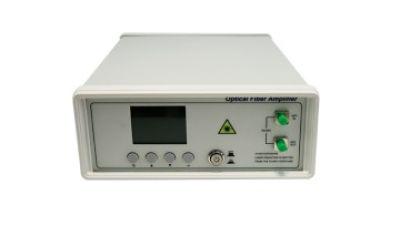
Innovative Applications and Benefits of the Benchtop High Power 1540~1565nm 37dBm 5W EDFA Fiber Optical Amplifier
The Benchtop High Power 1540-1565nm 37dBm 5W EDFA Fiber Optical Amplifier demonstrates remarkable capabilities, catering to the increasing demand for efficient optical amplification in communication networks. Its wide operating wavelength range of 1528nm to 1565nm allows it to seamlessly integrate into existing infrastructures, supporting diverse applications in telecommunications and data transmission. With a power output of 37dBm and minimal power consumption of less than 20W, this amplifier strikes an optimal balance between performance and energy efficiency, crucial for modern network management.
One of the standout features of this EDFA is its low noise figure, which is vital in preserving signal integrity during amplification. A gain flatness of ±1dB further enhances its performance, ensuring consistent amplification across the specified wavelength range. The device also offers a user-friendly experience with its independent LCD display, allowing operators to conveniently monitor equipment status. Moreover, the dual power supply design ensures uninterrupted operation with easy online replacement, making it a reliable choice for mission-critical applications.
The integration of an RJ-45 network management interface facilitates seamless connectivity and monitoring capabilities, aligning with industry trends that prioritize remote management and real-time diagnostics. As the optical communication sector grows, the adoption of such advanced amplifiers becomes essential. Reports suggest that the optical amplifier market is expected to reach USD 7.5 billion by 2027, highlighting the increasing reliance on sophisticated amplification technology to meet the rising bandwidth demands of modern networks.
FAQS
: Regular exercise improves physical health and boosts mental well-being. It enhances energy levels and mood.
Setting achievable goals helps. Tracking progress and rewarding yourself can also keep you engaged.
No, many effective workouts can be done at home or outdoors. Creativity in routines matters more than location.
Aim for at least 150 minutes of moderate activity. Breaking it into smaller sessions is perfectly fine.
Yes, nutrition plays a vital role. Eating balanced meals fuels workouts and aids recovery.
Yes, overtraining can lead to injuries and burnout. It's essential to listen to your body and rest adequately.
Don’t stress. Missing one workout is normal. Focus on getting back on track instead.
Find activities you love. Exercising with friends or listening to music can also elevate the experience.
Yes, stretching helps prevent injuries. It also improves flexibility and prepares your body for activity.
Patience is key. It takes time to notice changes. Consistency and a positive mindset are essential for progress.
Conclusion
Fiber Optic Thermal Sensors are innovative devices that utilize fiber optic technology to measure temperature changes with high precision. They operate on the principle of light transmission through optical fibers, where temperature fluctuations influence the light properties, allowing for accurate thermal readings. Various types of these sensors are available, catering to specific needs across multiple industries, including oil and gas, manufacturing, and environmental monitoring.
The advantages of Fiber Optic Thermal Sensors over traditional thermal sensors include their immunity to electromagnetic interference, lightweight design, and the ability to cover long distances without signal degradation. However, challenges remain, such as sensitivity to physical stress and higher initial costs. Looking to the future, advancements in fiber optic technology are expected to enhance the functionality and reliability of these sensors, making them a vital tool in modern temperature monitoring applications.

 Fiber Amplifier Products
 Light Source&Light Harvesting Products
 Optical Device Products
 Subsystem Products
 Instruments and Meters
 Communication Field
 Sensing Field
 Laser Radar
 Research and Medical Care