Welcome to learn about our company

In today’s digital world, keeping your network safe from Fiber Optic Intrusion is more important than ever. A report from the International Telecommunication Union mentioned that cyberattacks on optical fiber networks have shot up by over 40% in just the past couple of years. Crazy, right? That really highlights just how critical strong security measures are because fiber optics are key for high-speed data transfer, making them prime targets for cyber bad guys.
To stay ahead of these threats, organizations need to step up their game. That means regular network checks, smarter encryption, and taking security seriously. For example, the Ponemon Institute points out that a successful data breach can end up costing around $3.86 million on average—that's a huge hit. So honestly, investing in decent fiber optic security isn’t just a good idea; it’s something you have to do.
Sadly, a lot of companies still underestimate how risky Fiber Optic Intrusion really is. They tend to rely on outdated security measures and leave vulnerabilities wide open. There’s definitely a need to think more seriously about updating those defenses. By being proactive now, organizations can better protect their networks, keep their data safe, and avoid some pretty costly mishaps later on.

Fiber Optic Intrusion poses significant risks to any network. Understanding these threats begins with recognizing what they entail.Perimeter Intrusion Fiber Optic systems can be vulnerable if not properly secured. Intruders might tap into the fibers, intercepting sensitive data. Such breaches can lead to a loss of privacy and trust.
It’s essential to address weak points in the infrastructure. Surveillance and advanced detection systems are critical. Regular assessments can identify vulnerabilities. However, some organizations overlook this necessary step. They may believe their network is secure, but complacency can be a costly mistake.
Training staff is equally important. Employees should be aware of potential risks associated with fiber optics. This includes recognizing unauthorized access points. Continuous education can prevent many incidents. Reflecting on past breaches can provide insights for improving security measures. Being proactive is vital to safeguarding networks against Fiber Optic Intrusion.
Fiber optic networks are increasingly targeted for intrusion. Understanding common methods of Fiber Optic Intrusion is crucial. One prevalent technique involves tapping into the cables. Intruders may use specialized tools to access the light signals without detection. This can lead to significant data breaches and compromised network security.
Another method is known as fiber cut. In this scenario, attackers deliberately sever the cables. This tactic can create an opportunity for physical access to the network. Additionally, improper handling of fiber connected devices can also lead to vulnerabilities. For example, unsecured connections might expose sensitive data during maintenance. In many cases, organizations may overlook these risks. They might not regularly monitor their infrastructure, leading to delayed detection.
Fiber Optic Intrusion Detection systems can help mitigate these threats. By implementing sensors and monitoring solutions, networks can become more resilient. However, even these systems require regular updates. Organizations need to prioritize ongoing assessments to strengthen their defenses against intrusion attempts. The landscape of network security is complex, and vigilance is key. It’s essential to stay informed about new intrusion methods.
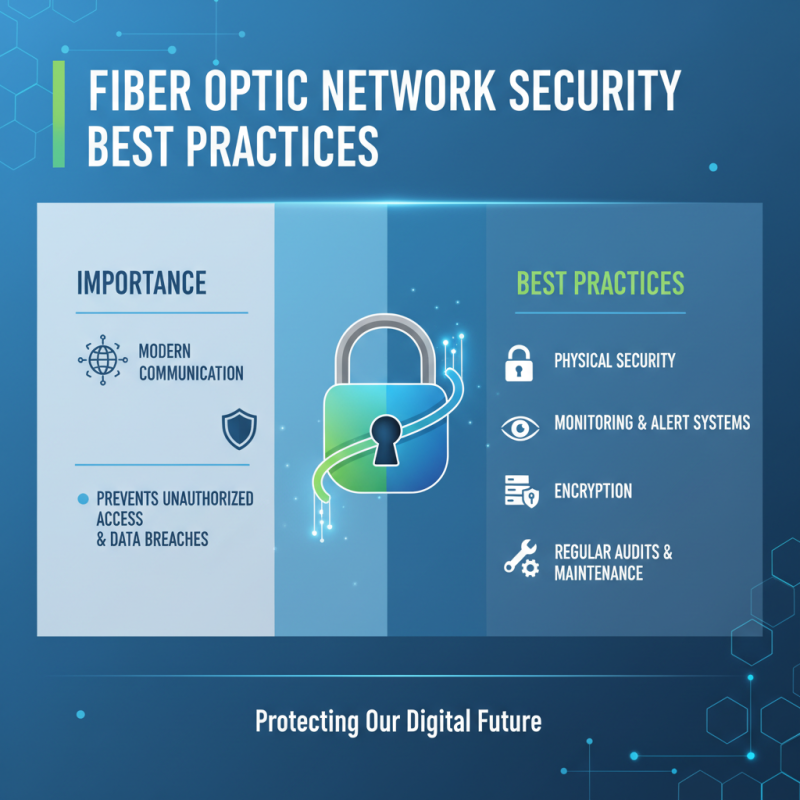
Fiber optic networks are vital for modern communication. Their security is equally important. Protecting fiber optic infrastructure helps prevent unauthorized access and data breaches. Here are some best practices to enhance security.
One effective tip is to regularly inspect physical sites. Look for signs of tampering or unauthorized access. You should assess cables visually. Ensure all connections are secure. Implementing surveillance cameras can deter intruders. This practice may seem simple but is often overlooked.
Another important measure is to use protective conduits. Encasing fiber optic cables in durable materials reduces the risk of damage. Consider using secure access points. Limiting entry to sensitive areas can keep your system safer.
Training staff on security awareness is crucial. They must know how to report unusual activities. Even small changes can indicate a problem. Encourage vigilance throughout your organization. Security is a continuous effort, not a one-time action.
Implementing physical security measures for fiber optic lines is crucial. Fiber optics are essential for modern communication, but they are vulnerable. A report from the Fiber Optic Association states that 70% of network disruptions occur due to physical damage. This often results from improper installations or lack of protection.
To address this, securing the fibers with protective casings is vital. Cable management systems can greatly limit exposure to environmental hazards. Moreover, restricting access to areas where cables are located ensures only authorized personnel can reach them. The Optical Fiber Technology journal highlights that 65% of companies lacking physical security measures have experienced disruptions in the past year.
It's essential to conduct regular audits of the cable routes. Identifying potential vulnerabilities can lead to improved security practices. However, some may overlook these audits, thinking that fiber is inherently secure. This belief can lead to costly mistakes. Physical barriers, like fences or locked enclosures, protect cable entry points, but over-reliance on them without regular checks can create blind spots. Awareness and vigilance are key in maintaining the integrity of fiber optic networks.
| Security Measure | Description | Effectiveness Rating (1-10) | Implementation Cost |
|---|---|---|---|
| Physical Barriers | Use fences, walls, or secure conduits to protect fiber optic lines. | 8 | $$$ |
| Surveillance Cameras | Install cameras to monitor fiber optic installations and deter intruders. | 9 | $$$ |
| Access Control Systems | Implement keycard or biometric access control at entry points. | 7 | $$ |
| Regular Inspections | Conduct routine checks of fiber optic pathways for tampering or damage. | 8 | $ |
| Fiber Optic Monitoring Systems | Use sensing technology to detect changes in the fiber optic lines. | 10 | $$$$ |
Fiber optic networks are critical for data transmission. Yet, they are vulnerable to intrusion. Utilizing advanced monitoring systems is vital for maintaining security. These systems offer real-time alerts and comprehensive analysis of network traffic.
Tips for effective monitoring include regularly updating security protocols. Adjust settings based on the latest threats. Conduct routine checks of network logs to spot any unusual activities. It’s also a good idea to train staff on recognizing potential breaches. Awareness can make a significant difference.
Implementing advanced monitoring does not mean perfection. False positives can occur, causing unnecessary alarms. Overreaction might lead to disruptions. Balancing vigilance with practicality is essential. Intrusion detection systems should be effective but not overwhelming. Always seek feedback to improve the monitoring process.
Employee training is essential for strong fiber optic security. Staff need to understand the importance of safeguarding network infrastructure. Regular workshops can enhance awareness. Simple drills can highlight potential vulnerabilities. Employees should know how to identify suspicious activity. For example, unexpected disruptions in connectivity may signal risks. Discussions about real-life cases can reinforce these lessons.
Creating a culture of security is vital. Employees must feel comfortable reporting anomalies. Some might hesitate, fearing they’ll seem paranoid. However, every report strengthens the security posture. Teams could conduct role-playing exercises. These sessions can provide hands-on experience in addressing incidents.
Implementing technology like Fiber Optic Sensor Intrusion Detection improves defense systems. However, technology alone isn't enough. The human element remains crucial in detecting breaches. Regular updates and ongoing training keep security top-of-mind. A well-informed team can make a significant difference in deterring threats.
Regular audits and maintenanceare vital for safeguarding your network from Fiber Optic Intrusion. A proactive approach can identify potential vulnerabilities before they are exploited. Schedule consistent inspections of your cable installation sites. Look for signs of tampering, visible damage, or unusual activity around your fiber optic cables. These small details matter.
Conducting thorough audits helps ensure that your network remains secure. Use tools like a Fiber Optic Intrusion Detection System to monitor for breaches. This system can alert you to irregularities that may indicate an intrusion. However, not every alert indicates a real threat. Sometimes, false alarms occur. Be prepared to investigate these events thoroughly.
In maintenance routines, encourage staff to be vigilant. Create a checklist for routine checks. Items can include examining connectors, ensuring proper sealing of cables, and looking for wear and tear. Engage team members in training sessions to heighten awareness. Remember, security is a continuous process. Regular maintenance and auditing can lead to vulnerabilities being overlooked. Stay alert and adapt your strategies as needed.
: The product is designed to enhance user experience. It offers various features tailored to meet specific needs.
Properly reading the user manual helps. Hands-on practice is essential for learning functionalities and maximizing use.
Regular cleaning is necessary. Store in a dry place to prevent damage. Check for updates or necessary repairs.
Yes, versatility is one of its key advantages. Experimenting can uncover new uses, though some users may face challenges.
Troubleshooting options are available in the manual. Sometimes, simply restarting resolves issues, but don’t hesitate to reach out for help.
Many overlook settings adjustments. Not following setup instructions can lead to underperformance and frustration.
It stands out in certain areas but may lack in others. Exploring different options is a recommended approach for finding what works best.
While it offers great functions, some features may not perform well under extreme conditions. Users have varying experiences based on usage.
Feedback is valuable and encouraged. Sharing experiences can help improve future iterations. User insights are sometimes overlooked, yet impactful.
Assess your needs beforehand. Impulse decisions often lead to regrets about suitability. Reflect on what works for you.
Fiber Optic Intrusion poses significant risks to network security, necessitating a thorough understanding of its implications. Organizations must be aware of common methods employed by intruders, such as physical tampering or unauthorized access to fiber optic lines. To combat these threats, best practices include implementing robust security measures, such as physical barriers and advanced monitoring systems designed to detect any unauthorized activities promptly.
In addition, fostering a culture of security through employee training and awareness can enhance vigilance against potential threats. Regular audits and maintenance of fiber optic infrastructure are critical for identifying vulnerabilities and ensuring the integrity of network systems. By adopting these comprehensive strategies, organizations can significantly reduce the likelihood of Fiber Optic Intrusion, safeguarding their valuable data and operations.