In this fast-changing world of telecom, Das Fiber Optictechnology really stands out as a game-changer. Dr. Emily Chen, who’s a well-known expert at FiberTech Solutions, points out just how important this innovation is. She says, “Das Fiber Optic offers lightning-fast speeds and incredible connectivity—that's pretty much rewriting the way data moves around the globe.” This really highlights how much we’re becoming more dependent on fiber optic tech nowadays.
All around the world, industries are waking up to the huge benefits of Das Fiber Optic. People are loving the faster data transfer, better reliability, and smoother connections. But, let’s be honest, it’s not all smooth sailing. Many buyers don’t fully realize how tricky it can be to install these systems or how much they might cost upfront.
So, it’s super important for businesses to weigh the good and the bad carefully. Sure, the clearer signal and bigger bandwidth are really tempting, but the initial investment can be kinda intimidating. Moving forward with Das Fiber Optic isn’t just about spending money—it’s about having a solid plan for long-term growth. In the end, the potential benefits could totally change industry standards and even lead to new opportunities for innovation.

Advantages of Fiber Optic Technology for Global Buyers
Fiber optic technology offers numerous advantages for global buyers. Its ability to transmit data at high speeds is a significant benefit. This technology can reach speeds up to 100 Gbps, ensuring quick data transfer. For businesses, this speed enhances communication and productivity. Moreover, fiber optics provides greater bandwidth compared to traditional copper cables. This means more data can be transmitted simultaneously without degradation.
Reliability is another key advantage. Fiber optic cables are less susceptible to interference from electromagnetic signals. They are also immune to weather-related disruptions. This reliability translates into fewer outages and a stable connection for businesses worldwide. Environmentally, fiber optics consume less energy than copper options. This energy efficiency makes them a sustainable choice for companies aiming to reduce their carbon footprint.
While the advantages are notable, challenges exist. The installation of fiber optic infrastructure can be costly and time-consuming. Maintenance requires specialized skills, which might not be readily available in all regions. Buyers should weigh these factors against the long-term benefits that fiber optics can provide. Investing in this technology may ultimately lead to more efficient operations and improved service delivery.
High-Speed Connectivity: A Game Changer in Communication
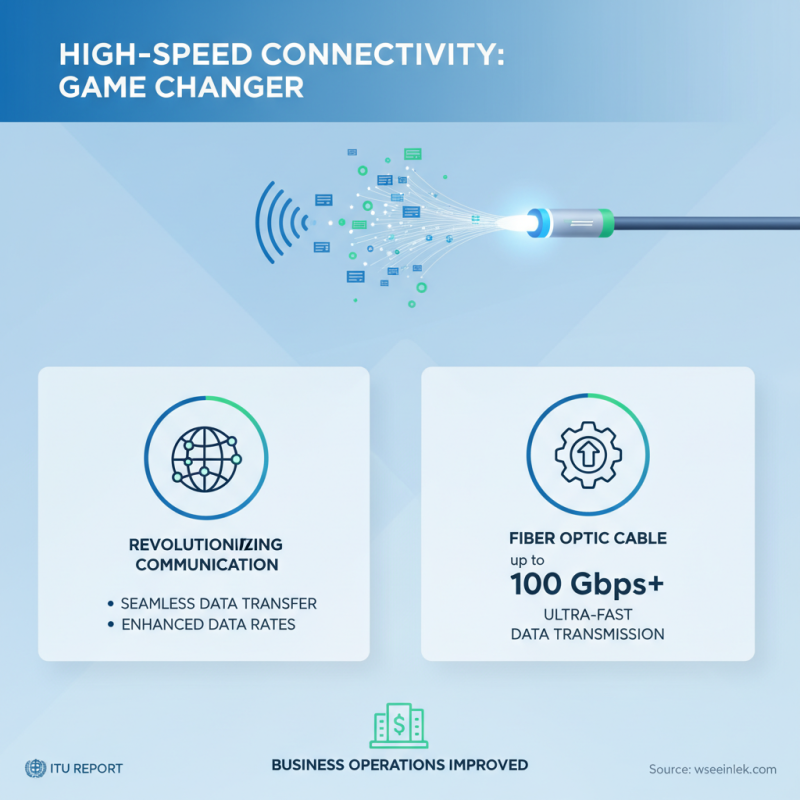
High-speed connectivity is revolutionizing communication across various sectors. Das Fiber Optic Cable stands at the forefront of this transformation. A report by the International Telecommunication Union (ITU) states that fiber optics can transmit data at speeds up to 100 Gbps or more. This capability facilitates seamless communication and enhances data transfer rates. Businesses are leveraging these advancements to improve their operations.
Organizations are finding that traditional copper wires can’t keep up with modern demands. With the growing dependence on cloud applications and real-time data sharing, the shift to fiber optics becomes imperative. A study reveals that over 70% of companies report improved productivity after switching to fiber optics. However, not all regions have equal access to this technology. Infrastructure gaps exist, which can limit the benefits for global buyers.
Despite its advantages, fiber optic installation can be complex and costly. Many businesses face challenges in the transition process. Training staff to manage new systems is essential for maximizing efficiency. While Das Fiber Optic Cable offers significant potential, users must reflect on their specific needs and limitations. Understanding these factors is crucial in making informed decisions about technology investments.
Enhanced Data Security with Fiber Optic Solutions
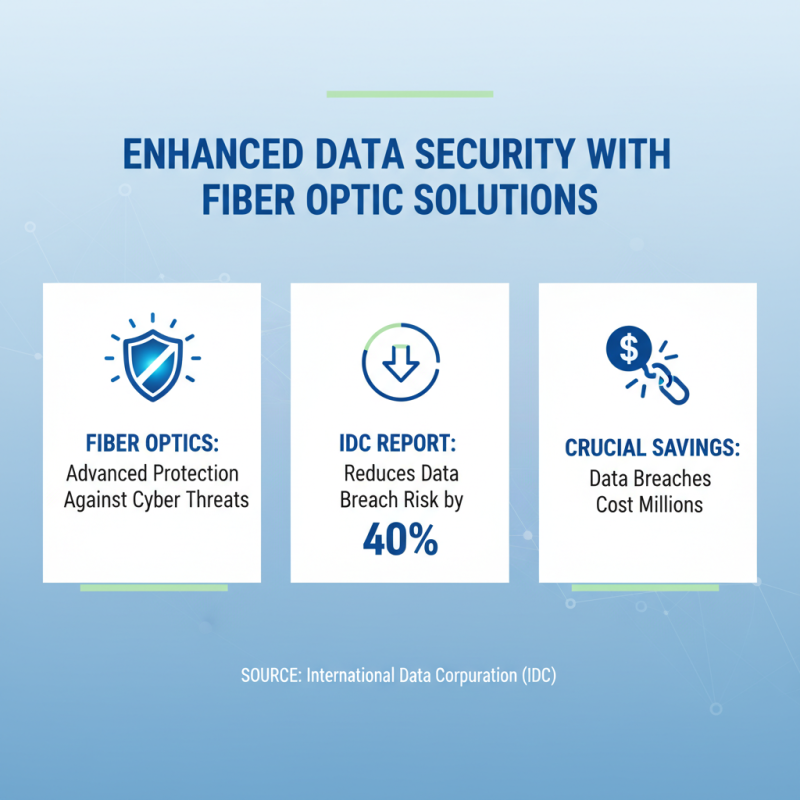
Data security is a growing concern for businesses worldwide. Fiber optic solutions offer enhanced protection against cyber threats. A report by the International Data Corporation (IDC) highlights that fiber optic communication can reduce the risk of data breaches by up to 40%. This is crucial as data breaches can cost companies millions.
Fiber optic cables are difficult to tap into, minimizing the chances of unauthorized access. They transmit data using light, making interception nearly impossible. This technology also supports higher bandwidth, allowing faster and more secure data transmission. According to a study by Telecommunications Industry Association (TIA), fiber optics can handle data rates of up to 1 Tbps over long distances. With its impressive speed, businesses can respond faster to cyber threats.
However, transitioning to fiber optics can pose challenges. Installation costs may be high, and existing infrastructure needs adaptation. Not all regions have equal access to fiber optic networks. Despite the drawbacks, the benefits of improved data security with fiber optics are significant. Businesses must weigh these factors carefully when considering their communication strategy.
Cost-Effectiveness of Fiber Optic Installation and Maintenance
Cost-effectiveness is crucial when considering fiber optic installation and maintenance. Das Fiber offers an economical solution for many businesses. For instance, the initial costs may seem high, but they pay off over time. Fiber optic cables have lower maintenance needs compared to traditional copper wires. This reduces ongoing expenses significantly.
Installation may also be simpler than expected. Trained professionalscan deploy Das Fiber swiftly, minimizing downtime. Businesses can continue their operations with minimal interruptions. Moreover, theenergy efficiency of fiber optics leads to lower utility bills. This aspect is often overlooked but adds to overall savings.
Additionally, fiber optics have a longer lifespan. Businesses will not need frequent replacements, which can be costly and disruptive. It's essential to consider these factors when making a decision. Sometimes, the allure of lower upfront costs can be misleading. Thoughtful investment in Das Fiber might yield better long-term advantages.
Durability and Longevity of Fiber Optic Cables
Fiber optic cables stand out for their durability and longevity. Unlike traditional copper cables, fiber optics are resistant to various environmental factors. They can withstand harsh weather, temperature fluctuations, and electromagnetic interference. A study by BSRIA showed that fiber optic cables last significantly longer—up to 30 years—compared to copper, which typically lasts around 10 years. This longevity makes fiber optics an appealing choice for global buyers seeking reliable solutions.
Moreover, fiber optic cables are made from glass or plastic. This construction means they do not corrode like metal cables. According to the Optical Fiber Association, installation and maintenance costs are lower in the long run due to their durability. Despite this, buyers must be aware of initial installation challenges. Proper handling and installation practices are crucial, as improper installation can lead to reduced effectiveness. Additionally, while fiber optics are tough, they are not immune to physical damage.
Investing in fiber optics also contributes to sustainability. Their longer lifespan reduces waste compared to traditional cabling. The Environmental Protection Agency indicates a 30% less environmental impact when using fiber optics over their lifetime. This consideration is vital as buyers focus on eco-friendly options. Balancing durability with initial costs requires careful thought and planning for global buyers.
Scalability: Adapting Fiber Optics for Growing Demands
The demand for reliable communication networks is growing rapidly. Scalability is a crucial feature of fiber optics. It allows businesses to adapt their infrastructure to meet changing needs. For instance, as data traffic increases, upgrading systems is essential. Fiber optics can handle higher bandwidths seamlessly. This flexibility ensures that companies don't outgrow their setups too quickly.
Das Fiber Sensing technology enhances scalability. It provides real-time monitoring of fiber optic networks. This capability helps detect issues before they escalate. By maintaining optimal performance, businesses can minimize downtime. However, integrating new systems can be challenging. Companies must ensure proper training for employees. Adapting to new technology can be a complex process.
A robust fiber optic network is not just about size. It’s also about reliability. Investing in quality infrastructure is key to long-term success. Yet, organizations often overlook scalability during initial setups. This oversight can lead to costly upgrades later. Embracing Das Fiber Sensing from the start can mitigate such risks. Organizations should regularly evaluate their systems for future growth.
Environmental Benefits of Using Fiber Optic Systems
Fiber optic systems offer significant environmental benefits. They use light to transmit data, leading to lower energy consumption. This efficiency translates into a reduced carbon footprint. Unlike traditional copper cables, fiber optics require less electricity to operate. This reduction in energy use is vital for sustainable practices.
Using fiber optics can also lead to less material waste. Traditional cabling systems often involve more physical materials, which contribute to landfill problems. In contrast, fiber optics utilize lightweight materials. This lightweight nature allows for easier installations, minimizing excess waste. Companies focusing on eco-friendly solutions can benefit greatly from adopting fiber optics.
Tips: Always consider the long-term benefits of fiber optics over traditional systems. Evaluate how the reduced energy consumption aligns with your sustainability goals. Knowledge about technologies like Das Sensing can provide insights into further optimizing fiber installations. Embrace innovation, but reflect on the challenges of transitioning to these systems. Ensure your team understands the installation processes thoroughly to avoid unnecessary waste.
Optimizing Performance and Efficiency with the DAS Module: A Comprehensive Guide to Implementation and Benefits
The DAS Module stands as a pivotal advancement for optimizing performance and efficiency in various applications. Its high integration enables seamless incorporation into existing systems, allowing users to enhance their operational capabilities without extensive overhauls. This feature is particularly beneficial for environments where space and resources are at a premium, making it an ideal choice for industries seeking to streamline processes.
With high precision and sensitivity, the DAS Module ensures that real-time monitoring is both accurate and reliable. This aspect is crucial for sectors that require immediate data analysis and response, such as manufacturing and environmental monitoring. The strong stability of the module enables it to perform consistently under variable conditions, further enhancing the integrity of the data collected.
Setting up the DAS Module is straightforward, even for those with limited technical expertise, which reduces downtime and accelerates implementation. Additionally, its customizable nature allows businesses to tailor functionalities to meet specific needs, providing flexibility in deploying the module across diverse applications. This comprehensive approach not only boosts operational efficiency but also leads to significant long-term cost savings by maximizing resource utilization.
FAQS
: It can transmit data at high speeds, reaching up to 100 Gbps.
It is less susceptible to electromagnetic interference and weather disturbances.
Fiber optics consume less energy compared to copper cables, benefiting the environment.
The installation can be costly and time-consuming, requiring specialized skills.
It has scalability, allowing upgrades to handle increased data traffic without hassle.
It provides real-time monitoring to detect issues early and reduce downtime.
Adapting to new technology can be complex, and training helps ease this transition.
Companies might face costly upgrades as their needs grow in the future.
Regular evaluations and updates are crucial to ensure systems can handle future growth.
Yes, the initial investment can be significant, and maintenance may require skilled personnel.
Conclusion
Das Fiber Optic technology offers numerous advantages for global buyers looking to enhance their connectivity and communication systems. One of the most significant benefits is high-speed connectivity, which transforms the way businesses communicate and share information. Coupled with enhanced data security, Das Fiber Optic solutions provide a reliable framework for protecting sensitive information against breaches.
Moreover, the cost-effectiveness of installation and maintenance makes fiber optic systems a smart investment. Their durability and longevity ensure minimal downtime and lower replacement costs over time. Additionally, the scalability of fiber optics allows businesses to adapt to growing demands seamlessly, while the environmental benefits contribute to a more sustainable future. Overall, Das Fiber Optic technology stands out as a compelling choice for businesses seeking advanced communication solutions.

 Fiber Amplifier Products
 Light Source&Light Harvesting Products
 Optical Device Products
 Subsystem Products
 Instruments and Meters
 Communication Field
 Sensing Field
 Laser Radar
 Research and Medical Care