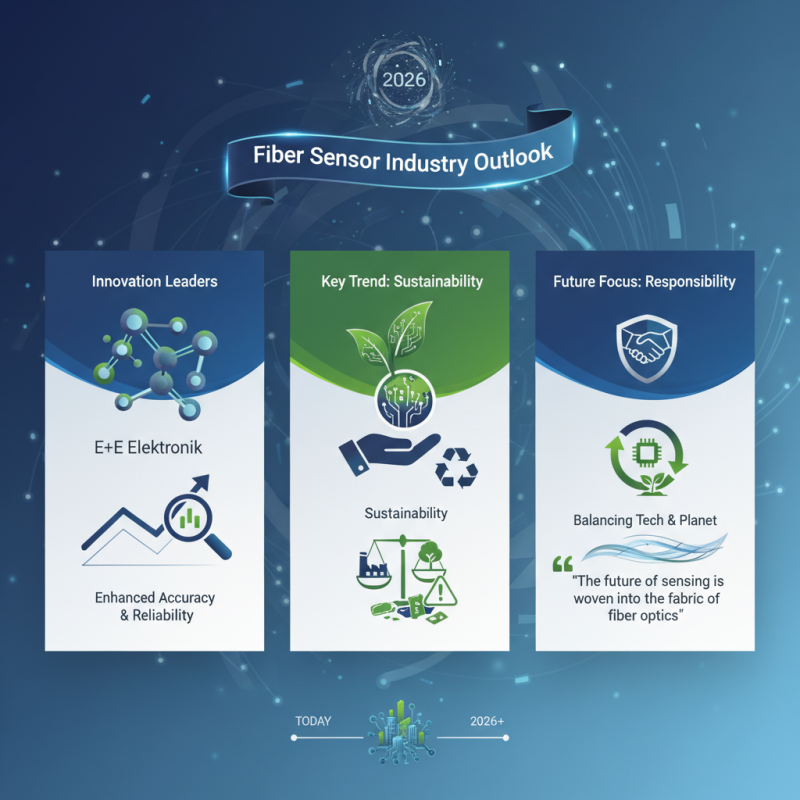
As we look ahead to 2026, the Fiber Sensor industry is really starting to shine a spotlight on some innovative ODM custom Fiber Sensor manufacturers. This field has been moving fast, and a big reason? The increasing demand across all sorts of applications. I mean, if you ask James McCarthy, a pro in optical tech, he once said, “The future of sensing is woven into the fabric of fiber optics.” That really hits home — these sensors are set to totally transform how we detect and measure things.
Right now, manufacturers are racing to roll out the latest and greatest tech. Companies like E+E Elektronik and Luna Innovations are leading the charge, coming up with products that aren’t just more accurate but also more reliable. However, it’s definitely worth thinking about sustainability here. Some outfits might cut corners just for a quick buck, which could seriously harm the environment over time.
Looking toward 2026, everyone in the biz should really focus on doing things ethically. The growth of the Fiber Sensor market is super exciting, but it can also be a bit overwhelming if you’re not careful. Getting the balance right between pushing innovation and staying responsible — that’s the key. If we keep the right mindset, there’s a real opportunity to build a future where technology benefits us all without hurting the planet.
Overview of ODM Custom Fiber Sensor Manufacturing Industry
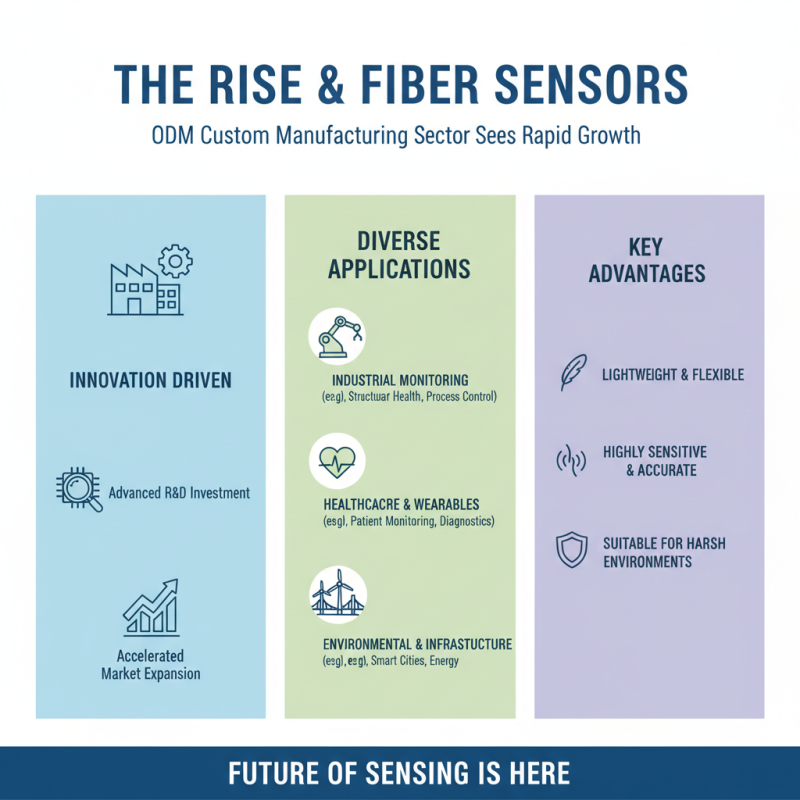
The ODM custom Fiber Sensor manufacturing industry is growing rapidly. Companies are investing in innovative technologies. These sensors have diverse applications, from industrial monitoring to health care. They are lightweight, flexible, and highly sensitive. This makes them suitable for various environments.
Manufacturers are focusing on quality and precision. However, challenges persist. The market demands adaptability to different materials and processes. Some manufacturers struggle to keep up with this demand. There is also a need for better-quality control measures. Without these, reliability can suffer, leading to operational issues.
As competition intensifies, collaboration becomes crucial. Sharing knowledge fosters innovation. Yet, companies must balance collaboration with maintaining their unique strengths. The path forward is not without hurdles. Examining these challenges is essential for future success.
Key Players in the Fiber Sensor Market for 2026
The Fiber Sensor market is evolving rapidly. Several key players are set to make significant impacts in 2026. These companies are exploring innovative solutions. They focus on enhancing the accuracy and efficiency of their products. Additionally, the demand for high-performance sensors continues to rise.
New technologies are emerging in this field. Some manufacturers are integrating AI with Fiber Sensors. This combination can lead to smarter monitoring systems. It’s essential to look for companies that prioritize research and development. This is where breakthroughs often occur.
**Tip:** Always keep an eye on market trends. Understanding innovations can give businesses a competitive edge. Consider trials or partnerships to test sensor performance in real-world conditions. The industry is full of potential, but not all systems are perfect. Analyzing failures can lead to improvements and better solutions.
Innovative Technologies Driving Fiber Sensor Development
Innovative technologies are reshaping the Fiber Sensor landscape. Many manufacturers are exploring advanced materials and methods to enhance performance. These innovations aim to improve sensitivity and accuracy. For instance, photonic crystal fibers are gaining attention for their exceptional light manipulation. This allows for better signal detection in various environments.
Integration with IoT devices is another key driver. Smart sensors can relay real-time data, making systems more efficient. However, the challenge remains in data security and management. Companies must address these concerns as they innovate. Machine learning algorithms also play a vital role in processing sensor data. Yet, there are concerns about the reliability of these algorithms.
The race to develop next-gen Fiber Sensors is competitive. Emerging technologies like microstructured fibers offer unique benefits. Yet, the complexity of manufacturing poses questions about scalability. While these advancements are promising, the market must be cautious. The balance between innovation and practicality is crucial.
Market Trends: Customization and Demand for Fiber Sensors
The Fiber Sensor market is rapidly evolving. Customization is the key trend driving this growth. Reports indicate that the global Fiber Sensor market is projected to grow from $2.79 billion in 2021 to $4.26 billion by 2026. This growth reflects increasing demand across various sectors.
Customization allows manufacturers to meet specific client needs. Companies are investing in tailored solutions to improve efficiency in industries like healthcare, automotive, and energy. Custom Fiber Sensors provide precise measurements, enhancing performance. However, many manufacturers struggle with the balance between customization and cost-effectiveness.
Tips: Focus on user feedback. It's essential to gather insights to enhance product offerings. This can reduce rework and design cycles. Assess your production capabilities. A mismatch can lead to missed opportunities. Fueling innovation requires a constant evaluation of market needs.
The push for customization also presents challenges. Not all manufacturers can adapt quickly to customer requests. This can lead to delays and dissatisfaction. The need for streamlined operations is evident. Understanding market demands while optimizing processes is crucial for future success.
2026 Top ODM Custom Fiber Sensor Manufacturers to Watch
| Manufacturer | Location | Market Share (%) | Specialization | Key Trends |
| Manufacturer A | USA | 25% | Industrial Applications | Smart Manufacturing |
| Manufacturer B | Germany | 18% | Medical Devices | Customization |
| Manufacturer C | Japan | 15% | Telecommunications | Enhanced Connectivity |
| Manufacturer D | China | 20% | Environmental Monitoring | Sustainability |
| Manufacturer E | South Korea | 22% | Automotive Sensors | Integration with AI |
Challenges Facing ODM Manufacturers in Fiber Sensor Development
The ODM Fiber Sensor market is evolving quickly. However, manufacturers face significant challenges. Developing competitive products demands constant innovation. A recent report indicated that the global Fiber Sensor market is expected to reach $3.4 billion by 2026. This growth highlights both opportunities and pressures for ODMs.
One key challenge is technology adoption. Many manufacturers struggle with the integration of new materials and processes. Failure to innovate could lead to falling behind. A 2023 survey revealed that 55% of companies cited technical limitations as a major hurdle. Additionally, high production costs can hinder development efforts.
*Tip: Seek partnerships with research institutions to access cutting-edge technologies.*
Quality control also remains a pressing issue. Ensuring consistent performance while scaling production is difficult. The need for stringent testing processes is more crucial than ever. Compromises in quality could result in costly recalls or reputation damage.
*Tip: Implement robust testing protocols early in the design phase.*
These challenges necessitate a proactive approach. ODM manufacturers must continually adapt to stay relevant in this growing market. Balancing cost, innovation, and quality is essential for long-term success.
2026 Top ODM Custom Fiber Sensor Manufacturers to Watch
This chart illustrates the key challenges faced by ODM manufacturers in the fiber sensor development industry, showcasing the impact of various factors on their operations.
Future Outlook: Opportunities for Growth in Fiber Sensor Sector
The fiber sensor sector shows promising growth potential. According to a recent market report, the fiber optic sensor market is projected to reach a value of $5.1 billion by 2028, growing at a compound annual growth rate (CAGR) of 11.5%. This growth is driven by advancements in technology and increased demand for real-time monitoring solutions. Applications in industries like healthcare, oil and gas, and infrastructure monitoring are expanding rapidly.
Opportunities lie in the integration of smart technologies. Manufacturers are exploring ways to combine fiber sensors with IoT devices. This integration can enhance data collection and analysis, leading to improved operational efficiency. The transportation sector, for instance, is increasingly utilizing fiber sensors for structural health monitoring. However, challenges remain, such as high initial costs and the need for specialized knowledge. These barriers may hinder widespread adoption.
The competitive landscape is evolving. New entrants are emerging, driven by innovations in manufacturing processes. However, not all companies are adopting sustainable practices. This lack of commitment to environmental considerations could impact future growth. The industry must strive for balance between profitability and sustainability. Overall, while the fiber sensor sector has robust opportunities, reflection on practices is essential for long-term success.
Comparative Analysis of Leading ODM Custom Fiber Sensor Companies
In the rapidly evolving world of fiber sensor technology, many ODM manufacturers are emerging. These players are crucial for custom solutions. They cater to various industries, providing tailored products that meet specific needs. The competitive landscape is diverse. Companies differ in their capabilities and innovations. Some excel in production efficiency, while others focus on cutting-edge designs.
Evaluating these manufacturers involves looking at several factors. Quality assurance is vital. Consistent performance builds trust among clients. The ability to innovate is equally important. Companies that invest in R&D are more likely to thrive. However, there are challenges. Not all firms may keep pace with technological advancements.
Pricing strategies also vary widely. Some manufacturers prioritize affordable solutions, appealing to budget-conscious clients. Others focus on premium offerings, featuring advanced functionalities. Balancing cost and value is crucial. Assessing customer service is another aspect. Companies that respond promptly to inquiries and provide support often build stronger relationships.
Title: Comprehensive Overview of Fused Biconical Taper Couplers: Features, Applications, and Benefits
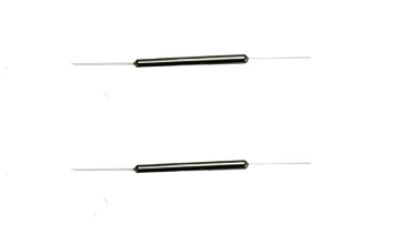
Fused biconical taper couplers (FBTCs) are essential components in the field of fiber optic technology, offering numerous features that enhance performance across various applications. These couplers are designed to provide low insertion loss values, which ensure minimal signal degradation as light travels through the fiber. This characteristic is particularly crucial in telecommunications, where maintaining signal integrity is vital for effective communication systems. Couplers with low polarization correlation loss also stand out, making them ideal for applications where polarization state variations can affect performance.
In addition to these features, high stability and reliability set FBTCs apart in demanding environments. With low wavelength correlation loss, they can effectively handle multiple wavelengths without significant signal loss, thus making them suitable for dense wavelength division multiplexing (DWDM) systems. Moreover, the robust construction of these couplers allows them to perform consistently over time, even under varying thermal and mechanical conditions, ensuring uninterrupted service for critical communication infrastructures. Overall, the benefits of using fused biconical taper couplers are clear, with their versatility making them a preferred choice in modern optical networks.
FAQS
: This practice can improve focus. It may enhance well-being. Participants often feel more relaxed.
Regular engagement is key. Consider daily practices. However, every few days may be sufficient for some.
Many prefer morning sessions. Others find evenings beneficial. Choose a time that suits your routine.
Minimal preparation is needed. Just a calm space is essential. Comfortable clothing can enhance the experience.
Yes, beginners can start without prior experience. Initial guidance may help, but it’s quite accessible.
Distractions are common. Maintaining consistency can be tough. Reflect on your progress regularly.
Skipping is normal. Don’t be too hard on yourself. Focus on returning when you can.
Participants often notice increased clarity. Some find improvements in mood. It can lead to better relationships.
Yes, practicing with others can be beneficial. It may enhance motivation and add a social element.
Progress can be subjective. Journaling experiences may help. Reflecting on feelings over time also provides insight.
Conclusion
The article provides a comprehensive overview of the ODM custom fiber sensor manufacturing industry, highlighting key players and innovative technologies that are shaping the market in 2026. It discusses the growing customization trends and the increasing demand for fiber sensors across various applications, which are pivotal for driving market growth.
Moreover, it addresses the challenges ODM manufacturers face in developing these sensors, such as technological advancements and competitive pressures. Despite these challenges, the future outlook remains optimistic, with numerous opportunities for expansion within the fiber sensor sector. A comparative analysis of leading companies reveals unique strengths and approaches that differentiate them in this evolving market. Overall, the focus on fiber sensors is likely to intensify, fostering innovation and advancements in the coming years.

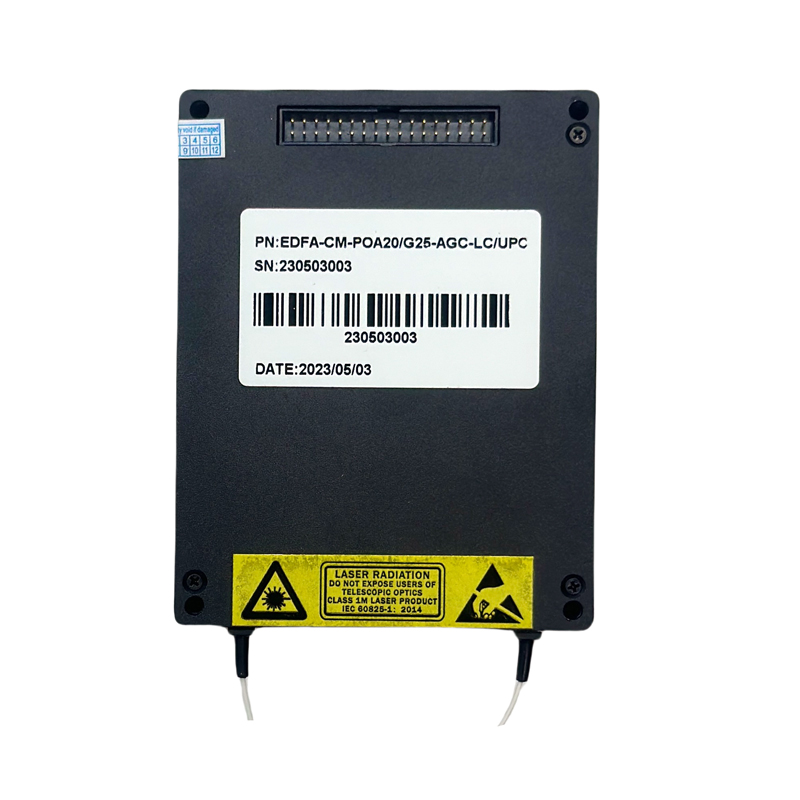 Fiber Amplifier Products
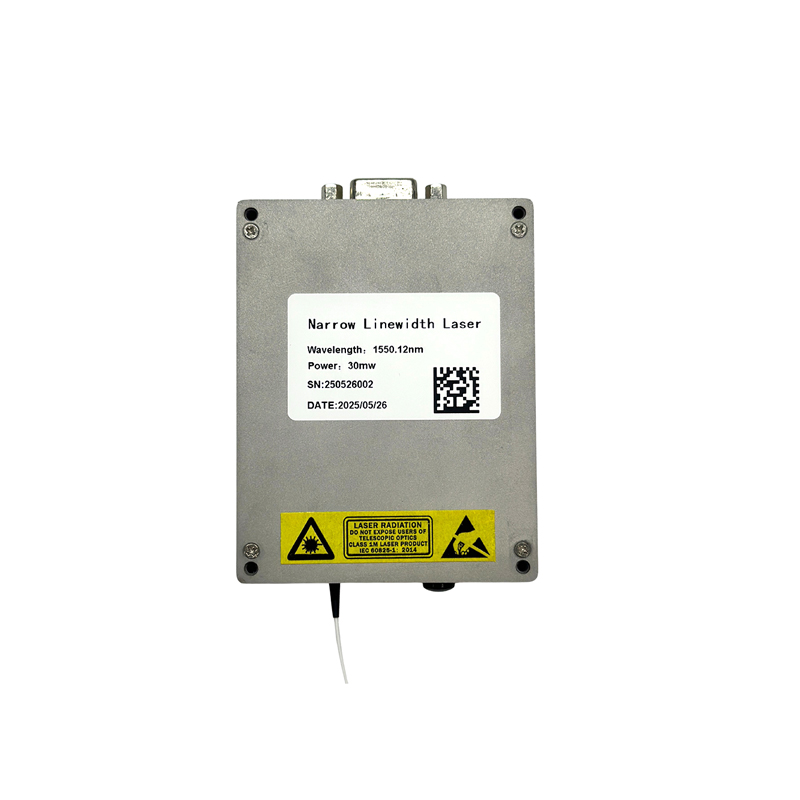 Light Source&Light Harvesting Products
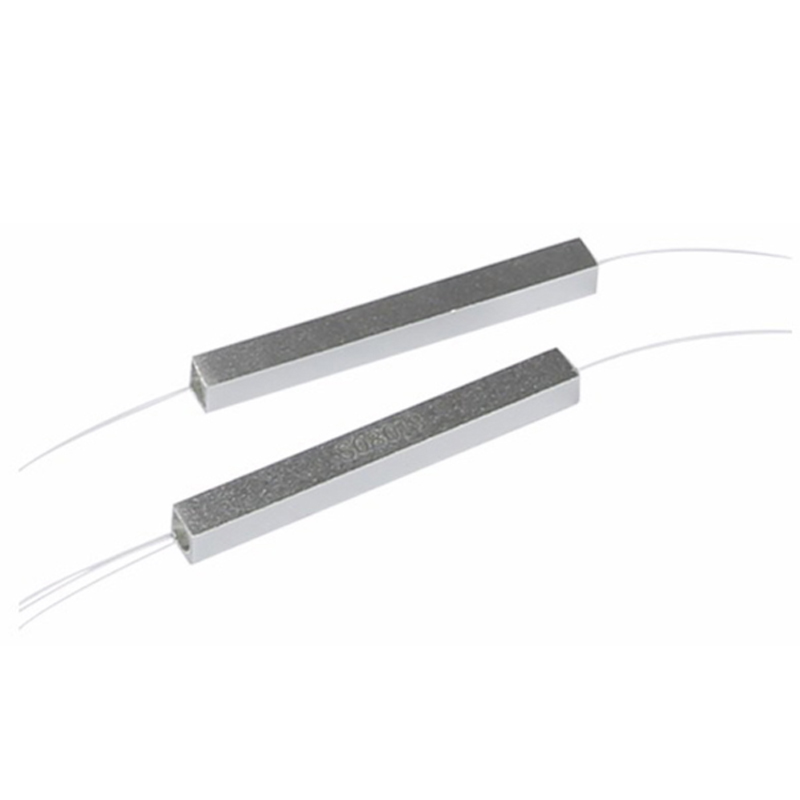 Optical Device Products
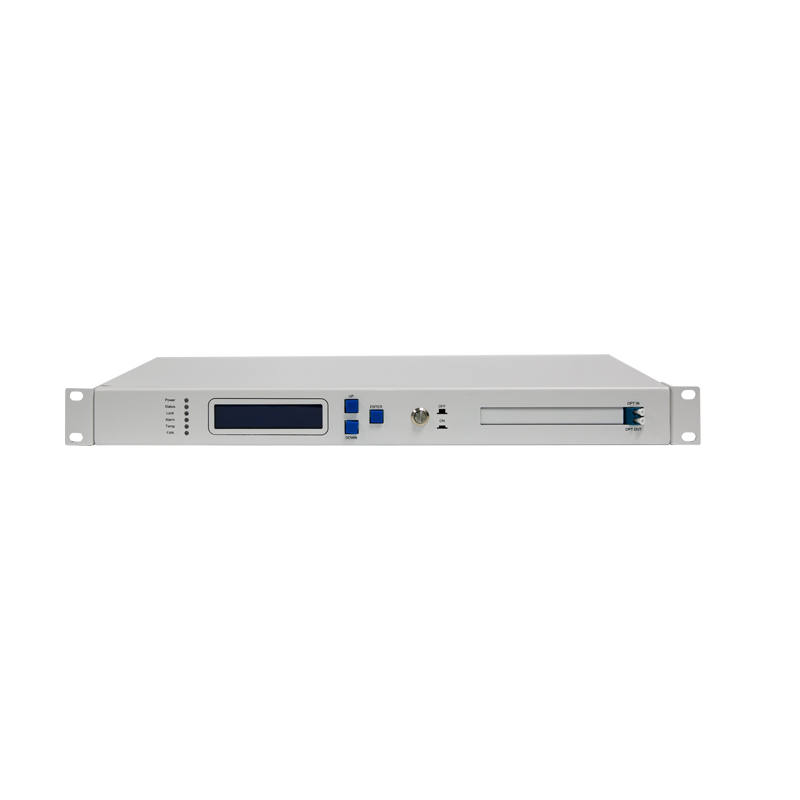 Subsystem Products
 Instruments and Meters
 Communication Field
 Sensing Field
 Laser Radar
 Research and Medical Care