You know, as industrial technology keeps evolving, one cool thing that's been gaining attention is Acoustic Sensing Fiber Optic. It’s basically seen as a game-changer across a bunch of different industries. I remember Dr. Emily Thompson from NexGen Technologies mentioning, “The future of monitoring really lies in acoustic sensing capabilities.” Honestly, that kinda says it all—it’s amazing how much fiber optic systems could revolutionize how we keep things running smoothly and safely.
What’s pretty awesome about Acoustic Sensing Fiber Optic is that it lets industries spot issues as soon as they pop up. These systems use sound waves to keep an eye on structures, pipelines, and more—giving us insights that we might not catch otherwise. The data they gather can uncover hidden problems early on, which is a huge advantage for maintenance before things get serious. Of course, setting up these systems isn’t always a walk in the park—things like costs and compatibility can be tricky hurdles to jump over. But honestly, the payoff over time usually makes it worth the effort.
As more industries look for smarter, more reliable solutions, it’s clear that Acoustic Sensing Fiber Optic has a lot to offer. Still, it’s super important not to get carried away and oversell what it can do. We need to stay realistic about what this tech can and can’t handle. The key is focusing on practical applications and making sure everyone understands its limits and strengths. In the end, making the switch might mean some trial and error, but if done right, the benefits are pretty significant and worth the bumps along the way.

Overview of Acoustic Sensing Fiber Optic Technology
Acoustic Sensing Fiber Optic technology is a breakthrough in data acquisition. This method serves various industries by utilizing light and sound. Sensors embedded within optical fibers detect disturbances in the environment. These disturbances can indicate various physical conditions, such as pressure, temperature, or strain. The technology has myriad applications, including infrastructure monitoring, environmental assessments, and security surveillance.
Implementing Acoustic Sensing Fiber Optic systems requires careful planning. Understanding the specific needs of an industry is crucial. Choose high-quality materials that can withstand external factors. Ensure proper calibration of sensors for accurate readings. Regular maintenance checks can improve reliability and performance.
Consider employing a team of experts to manage deployment. Their experience can guide the adaptation of this technology. It’s essential to continually assess the effectiveness of the system. This reflection can highlight areas for improvement. Staying updated with advancements in technology can also enhance effectiveness.
Principles of Acoustic Sensing in Fiber Optic Systems
Acoustic sensing in fiber optic systems operates on the principle of detecting sound waves through changes in light transmission. This technology utilizes the unique properties of fiber optic cables. When sound waves hit a fiber, they slightly alter the light signal traveling through it. This alteration is captured and analyzed to pinpoint various industrial processes. Industries can monitor structural integrity by interpreting these changes, identifying potential failures early.
Tips: Consider the placement of your Acoustic Sensing Fiber Optic cables. Proper installation ensures accurate data collection. Regularly check the connectors for any potential damage. Maintaining fiber integrity is vital for reliable results.
Implementing this technology opens doors to innovative applications. For example, many industries track vibrations in machinery, ensuring optimal performance. However, challenges may arise, such as environmental interference. Factors like temperature fluctuations or external vibrations can impact readings, complicating data analysis. It’s crucial to mitigate these issues through robust design and placement strategies. Understanding the limitations and refining techniques can lead to more effective monitoring solutions.
Applications of Acoustic Sensing in Various Industries
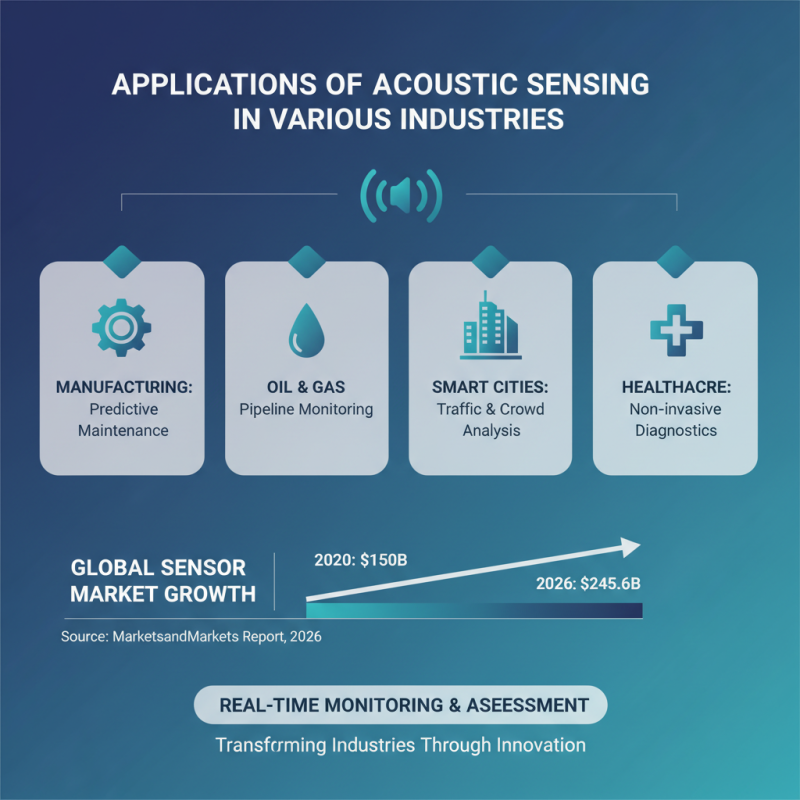
Acoustic sensing technology is transforming industries through its innovative applications. It enables real-time monitoring and assessment of various environments. A recent report by MarketsandMarkets projects the global sensor market will reach $245.6 billion by 2026, highlighting the growing demand across sectors.
In the oil and gas industry, Fiber Optic Distributed Acoustic Sensing plays a crucial role. It detects leaks and monitors pipeline integrity with high accuracy. This technology can identify disturbances along pipelines, reducing risks and ensuring safety. The ability to monitor vast areas with minimal infrastructure is game-changing. The market for fiber optic sensors in this sector is set to grow by 16% annually until 2027.
In the transportation sector, acoustic sensors enhance safety in railways and highways. By detecting vibrations and sounds, companies can predict maintenance needs and prevent accidents. Acoustic sensing allows real-time data collection, contributing to smarter infrastructure decisions. However, it requires careful interpretation. Analysts should be cautious of false positives that can lead to unnecessary disruptions.
Tip: Regularly calibrate your acoustic sensing systems. This ensures data accuracy and enhances reliability. A well-maintained system provides clearer insights into potential issues.
Advantages of Using Acoustic Sensing Fiber Optic Solutions
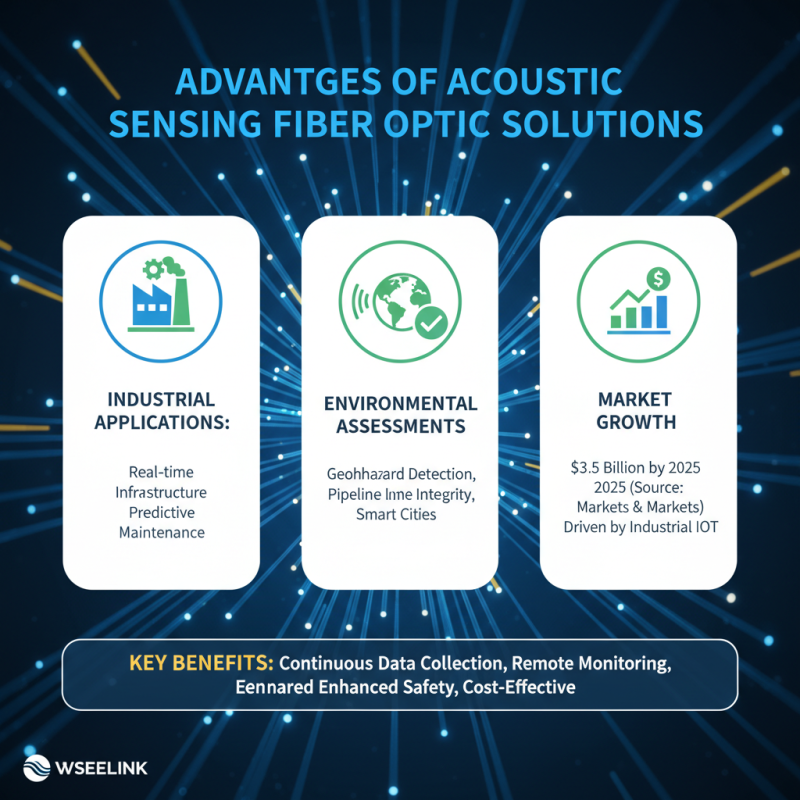
Acoustic Sensing Optical Fiber offers significant advantages across various industries. It enables real-time monitoring and data collection for infrastructure and environmental assessments. According to a report by Markets and Markets, the global market for fiber optic sensors is projected to reach $3.5 billion by 2025, driven by developments in industrial applications.
These solutions provide high sensitivity and resolution in detecting vibrations and acoustic signals. For instance, energy companies effectively utilize Acoustic Sensing Optical Fiber for pipeline monitoring. The technology can detect leaks and structural weaknesses early, potentially saving millions in repair costs. However, the learning curve can be steep. Not all installations yield immediate results, and users may need time to interpret data accurately.
Moreover, the move towards more sustainable practices enhances the appeal of Acoustic Sensing Optical Fiber. It supports predictive maintenance, reducing the ecological impact associated with traditional monitoring methods. However, reliance on this technology raises questions about data security and integrity. Industries must invest in robust systems to safeguard sensitive information while ensuring compliance with evolving regulations.
Challenges and Limitations in Acoustic Sensing Implementation
The implementation of Distributed Acoustic Sensing Fiber (DAS) in industrial applications is not without its challenges. One significant limitation is the complexity of acoustic environment conditions. Factors such as background noise and environmental vibrations can interfere with sensor accuracy. A recent report indicated that up to 30% of collected data could be affected by external noise. Industries must invest in advanced algorithms to filter out these disturbances.
Another challenge arises from the integration of DAS systems with existing infrastructure. Older facilities may not easily accommodate the advanced technology. A study highlighted that nearly 40% of companies face issues in retrofitting DAS into legacy systems. This can lead to increased costs and extended project timelines. Moreover, personnel training is essential. Without proper understanding, operators may fail to leverage DAS capabilities effectively.
Data security also poses concerns. The sensitivity of information gathered by DAS necessitates robust cybersecurity measures. A survey found that around 52% of industry professionals worry about data breaches when using such technologies. These hurdles require continuous evaluation and adjustment. Addressing these limitations is vital for maximizing the benefits of Distributed Acoustic Sensing Fiber across various sectors.
2026 How to Use Acoustic Sensing Fiber Optic for Industries? - Challenges and Limitations in Acoustic Sensing Implementation
| Dimension | Description | Challenges | Limitations |
| Signal Sensitivity | Ability to detect weak acoustic signals. | Environmental noise interference. | Limited range of detection in noisy environments. |
| Installation Complexity | Set up and integration into existing infrastructure. | Need for specialized installation procedures. | High initial setup costs and time. |
| Data Processing | Conversion of acoustic signals into usable data. | Processing speed and algorithm efficiency. | Potential for data overload and misinterpretation. |
| Maintenance Requirements | Keeping systems in optimal working condition. | Regular checks and calibration needed. | Ongoing maintenance costs can be high. |
| Scalability | Ability to expand the system for larger operations. | Infrastructure scaling difficulties. | High costs associated with expansion. |
Future Trends in Acoustic Sensing Fiber Optic Technologies
The future of acoustic sensing fiber optic technologies is promising. Industries are increasingly adopting these systems for monitoring and diagnostics. These innovations enable real-time data acquisition, providing insights previously difficult to achieve. They are invaluable in applications such as pipeline monitoring, structural health assessment, and environmental sensing.
One notable trend is the integration of machine learning with acoustic sensing. This combination optimizes data analysis, sometimes enhancing detection accuracy. However, challenges persist. The complexity of data interpretation can lead to inaccuracies. Also, environmental noise can interfere with acoustic readings, requiring advanced filtering techniques.
Another area of growth is the miniaturization of sensors. Smaller sensors can be embedded into various structures easily. This trend enhances monitoring capabilities in challenging environments. Yet, the shift towards smaller technology raises questions about durability and effectiveness. As industries navigate these advancements, the balance between precision and practicality remains a critical focus.
Case Studies: Successful Use of Acoustic Sensing in Industries
Acoustic sensing fiber optics has transformed various industries by enhancing monitoring capabilities. In one notable case, a major oil and gas company used acoustic sensors to detect pipeline leaks. By analyzing sound patterns, the system identified anomalies that indicated potential leaks, allowing for quick repairs and minimizing environmental impact. This case highlighted the importance of timely detection and the effective use of technology in hazard prevention.
Another interesting example comes from the transportation sector. A railway company implemented acoustic sensing to monitor track integrity. The sensors picked up vibrations from train movements, which provided data on track conditions. By analyzing these patterns, engineers were able to predict maintenance needs. This application not only improved safety but also optimized operational efficiency.
Despite these benefits, challenges remain. Sensitivity to environmental noise can lead to false positives, complicating data interpretation. Companies must invest in training personnel to understand this technology better. Continuous advancement is necessary for refining the system’s accuracy. Acoustic sensing shows great promise, but it requires a commitment to understanding its intricacies and limitations.
Acoustic Sensing Fiber Optic Applications in Industries (2026)
Outline for "Maximizing Fiber Optic Performance with the Benchtop High Power 5W EDFA: Applications and Benefits
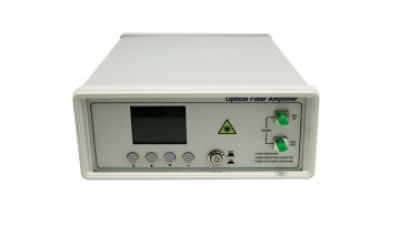
Maximizing fiber optic performance is crucial in today's data-driven world, where reliable and efficient communication systems are needed to support increasing internet traffic. The Benchtop High Power 5W EDFA (Erbium-Doped Fiber Amplifier) is specifically designed to enhance the performance of fiber optic networks, making it a valuable tool for various applications, including telecommunications, data centers, and long-distance transmission systems.
With a wide operating wavelength range of 1528 nm to 1565 nm, the EDFA can effectively amplify signals over the most commonly used wavelengths in optical fiber transmission. This versatility allows for optimal performance and compatibility with existing systems. The device features a low noise figure and low power consumption, with an impressive power usage of less than 20W, ensuring that energy efficiency is maintained while maximizing output. Additionally, with a gain flatness of ±1 dB, users can expect uniform amplification across the operational spectrum, which is critical for minimizing signal distortion and ensuring high-quality transmission.
The EDFA also offers practical features that simplify deployment and monitoring. Its dual power supply design allows for easy online replacement, minimizing downtime during maintenance. The independent LCD display provides real-time monitoring of the amplifier's operational status, making it easier for technicians to manage equipment effectively. Furthermore, the standard 1U rack mount ensures that installation and maintenance processes are straightforward, allowing users to maximize their system’s performance without cumbersome setup procedures. In an era where data demands are relentless, the Benchtop High Power 5W EDFA stands out as an indispensable resource for optimizing fiber optic connectivity.
FAQS
coustic Sensing Fiber Optic technology?
It can detect pressure, temperature, or strain disturbances in various environments.
It helps monitor the condition of structures by detecting changes over time that indicate potential issues.
Companies need to understand industry needs, choose quality materials, and calibrate sensors properly.
Regular maintenance ensures reliable performance and identifies areas that may require improvement.
Environmental noise can cause false positives, leading to misinterpretations of sensor data.
An oil and gas company monitored pipelines, detecting leaks quickly through sound pattern analysis.
It monitors railway track integrity by analyzing vibrations, improving safety and efficiency.
Companies may struggle with noise sensitivity and need trained personnel to understand the system better.
Staying updated on technological advancements and continually assessing the system's performance can help.
Conclusion
The article "2026 How to Use Acoustic Sensing Fiber Optic for Industries?" provides a comprehensive overview of Acoustic Sensing Fiber Optic technology, explaining its fundamental principles and diverse applications across various sectors. Acoustic Sensing Fiber Optic systems leverage sound wave detection to monitor and analyze environmental changes, making them invaluable in industries such as oil and gas, environmental monitoring, and security.
The advantages of these systems include high sensitivity and the ability to cover long distances without significant signal degradation. However, the implementation of Acoustic Sensing Fiber Optic technologies also presents challenges, such as the need for specialized expertise and potential environmental factors affecting performance. Looking ahead, the article discusses future trends and innovations that could enhance the capabilities of Acoustic Sensing Fiber Optic solutions, alongside case studies highlighting successful deployments in different industries.

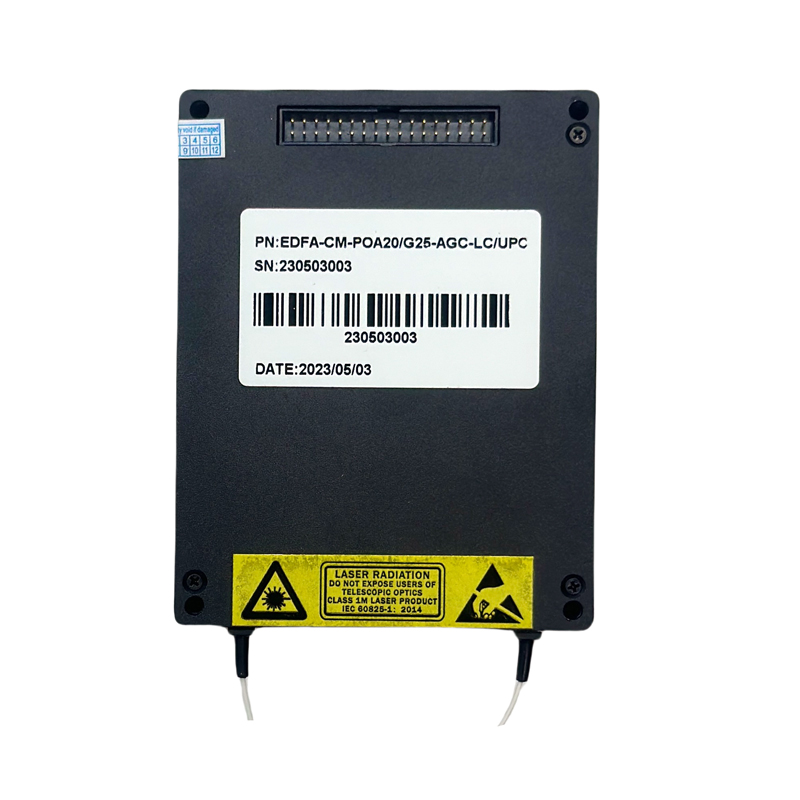 Fiber Amplifier Products
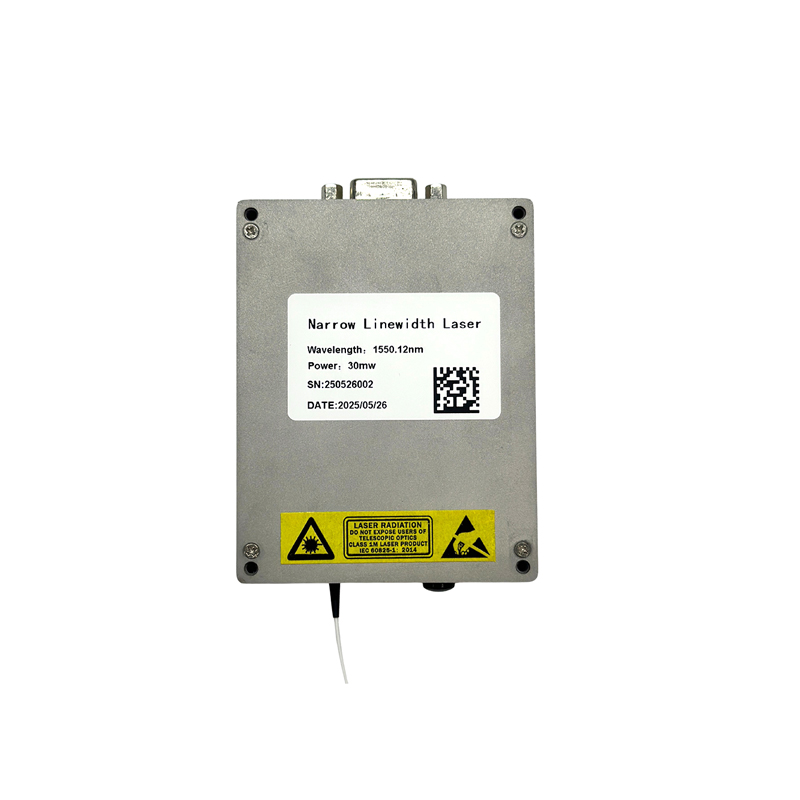 Light Source&Light Harvesting Products
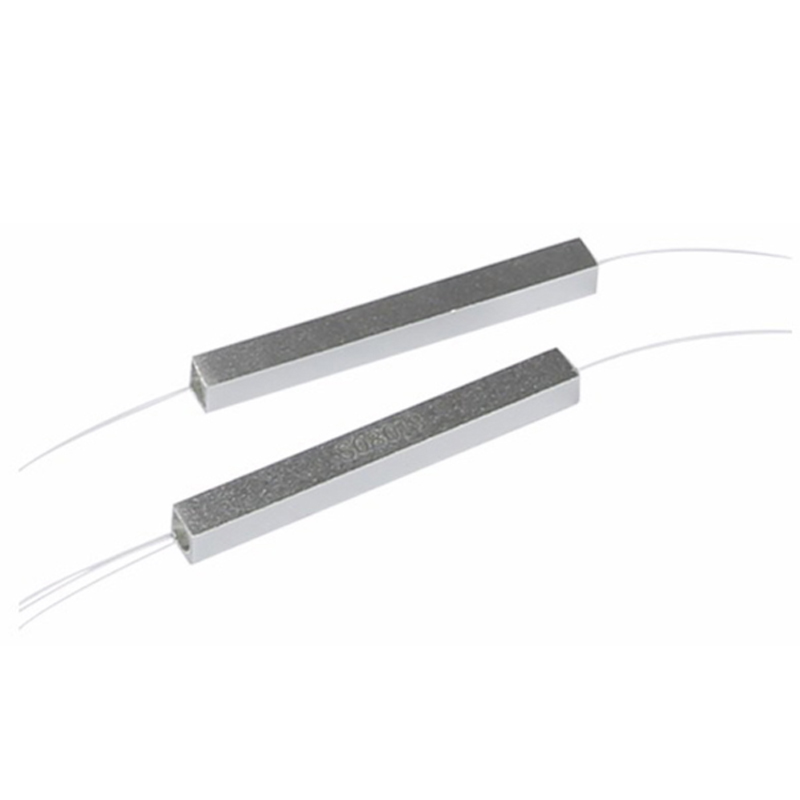 Optical Device Products
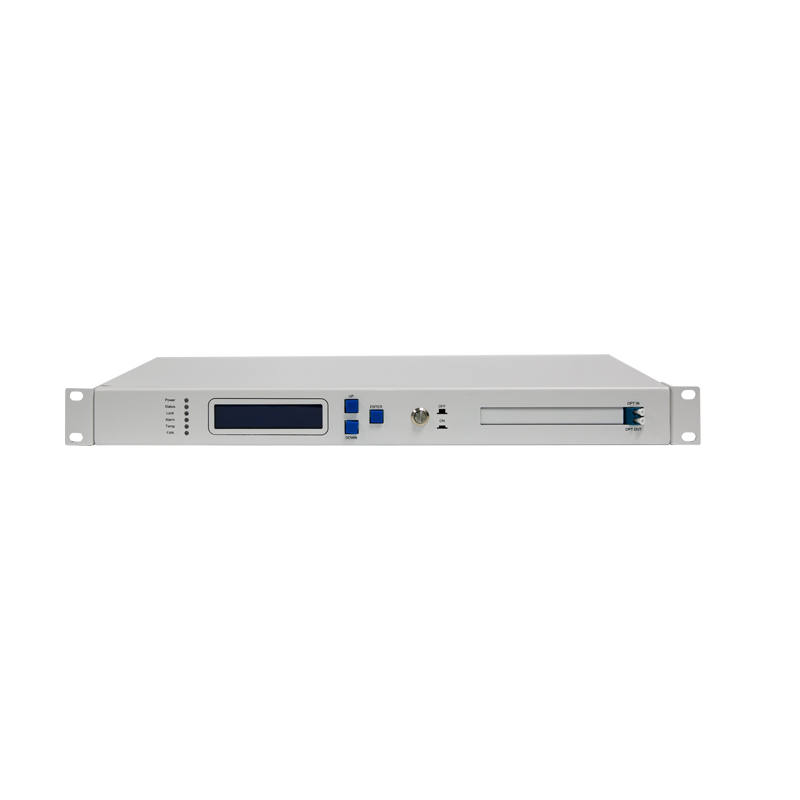 Subsystem Products
 Instruments and Meters
 Communication Field
 Sensing Field
 Laser Radar
 Research and Medical Care