
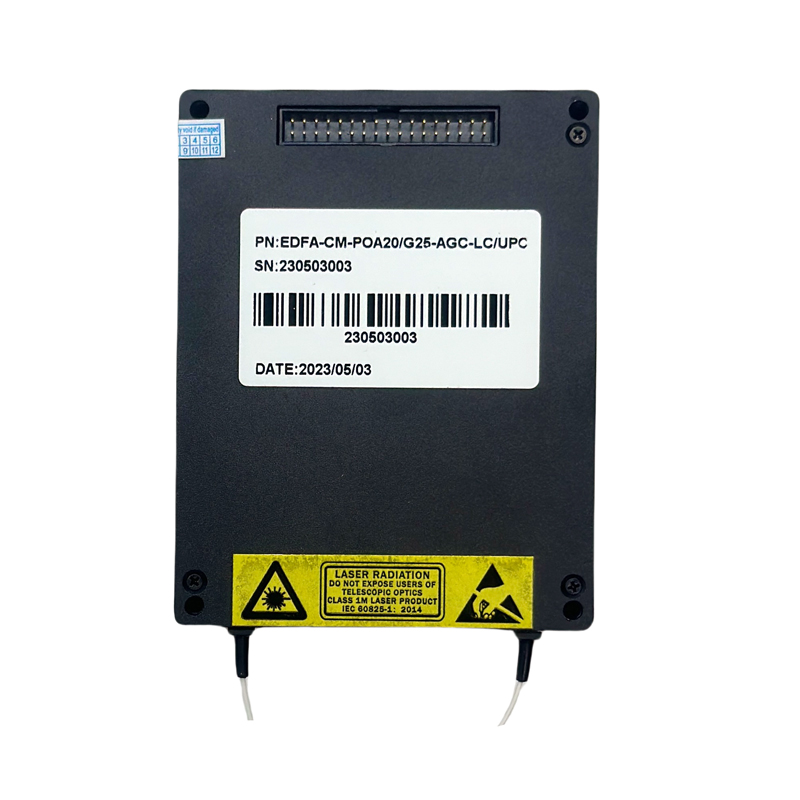
 Fiber Amplifier Products
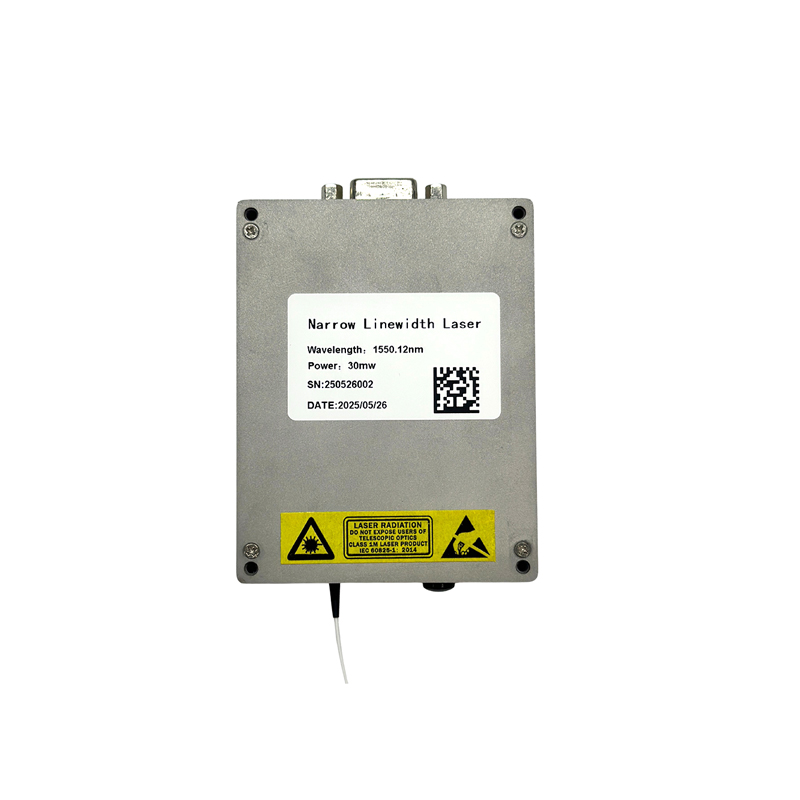 Light Source&Light Harvesting Products
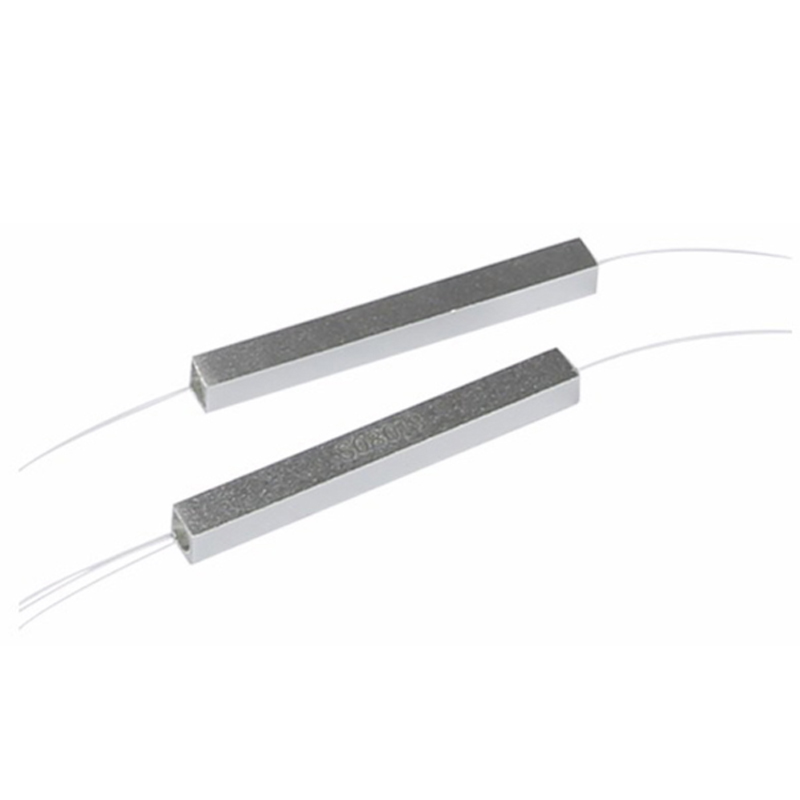 Optical Device Products
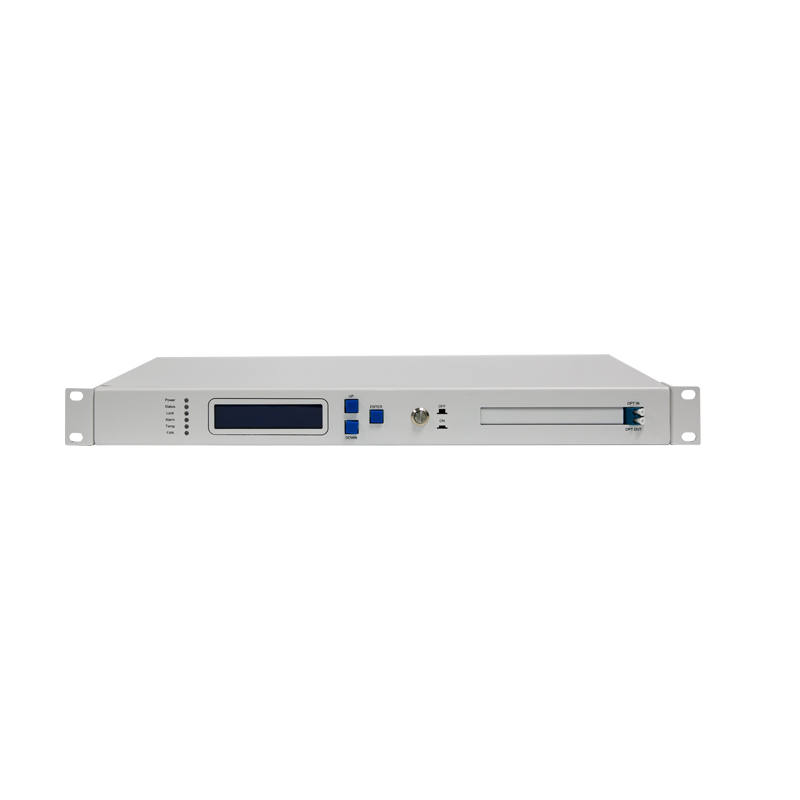 Subsystem Products
 Instruments and Meters
 Communication Field
 Sensing Field
 Laser Radar
 Research and Medical Care

L-Band EDFA vs C-Band EDFA: Which Optical Amplifier Fits Your System
L-Band EDFA vs C-Band EDFA
An Edfa Optical Amplifier should be selected according to the wavelength range and optical power requirements of the system.
This is particularly important when comparing a C-Band EDFA with an L-Band EDFA.
Both amplifier types use erbium-doped fiber technology, but they are optimized for different parts of the optical spectrum.
A C-Band EDFA is generally evaluated for optical signals in the conventional C-band around 1550 nm, while an L-Band EDFA is designed for longer wavelengths.
WSEELINK provides both C-band and L-band fiber amplifier solutions for different optical communication and system integration requirements.
What Is a C-Band EDFA
A C-Band EDFA is an Erbium-Doped Fiber Amplifier optimized for optical amplification within the C-band.
WSEELINK provides several C-band amplifier products including Mini EDFA, Dwdm Edfa, PM EDFA and rackmount EDFA systems.
The exact supported wavelength range depends on the amplifier model.
For an optical system operating within the C-band, a C-Band EDFA should normally be evaluated first before comparing gain, output power, Noise Figure and mechanical configuration.
What Is an L-Band EDFA
An L-Band EDFA is designed to amplify optical signals at wavelengths longer than the conventional C-band.
The WSEELINK L-Band EDFA operates from 1570 to 1610 nm.
It is a single-channel optical amplifier with an input power range from minus 10 dBm to plus 7 dBm.
Maximum output optical power is 17 dBm.
The typical Noise Figure is approximately 6 dB, with a specified maximum of 7 dB.
The amplifier has a 200 by 142 by 25 mm mechanical structure and uses a nominal 12 V supply.
These specifications make the product suitable for optical systems that specifically require amplification within the 1570 to 1610 nm wavelength region. 产品手册
The Main Difference Is Wavelength Coverage
The most important difference between C-Band EDFA and L-Band EDFA is the wavelength range for which the amplifier is optimized.
If the optical signal operates within the C-band, a C-Band EDFA should normally be evaluated first.
If optical amplification is required primarily from approximately 1570 to 1610 nm, an L-Band Optical Amplifier should be considered.
The exact amplifier choice should still take into account input power, required gain, output power and noise performance.
This is why amplifier selection should begin with the wavelength plan rather than maximum output power alone.
When Is a 17 dBm L-Band EDFA Suitable
A standard 17 dBm L-Band EDFA may be suitable when the optical system requires moderate signal amplification within the 1570 to 1610 nm range.
WSEELINK's L-Band EDFA supports APC and ACC control modes.
Before selecting this configuration, engineers should confirm the expected input optical power and the output level required by the downstream optical link.
If 17 dBm output meets the power budget, a standard L-Band EDFA may provide a more appropriate solution than using a higher-power amplifier.
When Should an L-Band EYDFA Be Evaluated
Some L-band optical systems require substantially higher output power.
For these applications, WSEELINK also provides an L-Band EYDFA.
The L-Band EYDFA operates over the same 1570 to 1610 nm wavelength region but supports output power up to 33 dBm.
It also supports APC, ACC and AGC control modes.
The difference between these products is important.
A buyer searching for a 17 dBm L-Band EDFA may need moderate optical signal amplification.
A buyer searching for a 33 dBm L-Band EYDFA or High Power L-Band Optical Amplifier is looking for a much higher output level.
The two products should therefore be evaluated separately even though they operate within the same wavelength band. 产品手册
L-Band EDFA or C+L-Band Amplifier
Another selection question is whether the system requires a dedicated L-band amplifier or a wider C+L-band solution.
If the optical signal operates only in the L-band, a dedicated L-Band Fiber Amplifier may be sufficient.
If amplification is required across both C-band and L-band wavelengths, a wider-band amplifier should be evaluated.
WSEELINK currently provides a C+L Band EYDFA covering 1528 to 1610 nm with a 25 dBm output specification. 万硕
A wider wavelength range is not automatically better.
The amplifier should match the actual wavelength channels and optical power requirements of the system.
Which EDFA Should You Choose
The first step is to confirm the operating wavelength.
For signals within the conventional C-band, evaluate a C-Band EDFA.
For signals requiring amplification primarily between 1570 and 1610 nm, evaluate an L-Band EDFA.
Then confirm the input optical power, required output power, gain, Noise Figure, control mode and connector requirements.
If the L-band application requires substantially higher output power, an L-Band EYDFA may be more appropriate than the standard 17 dBm amplifier.
Providing the complete wavelength plan and optical power budget allows the amplifier configuration to be evaluated according to the real optical system rather than only by product name.