
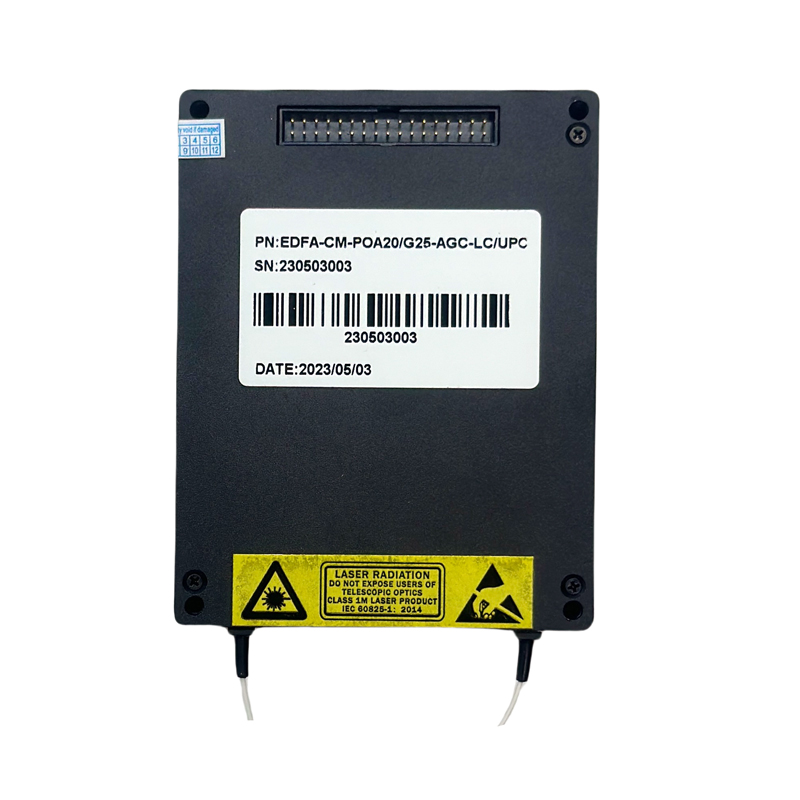
 Fiber Amplifier Products
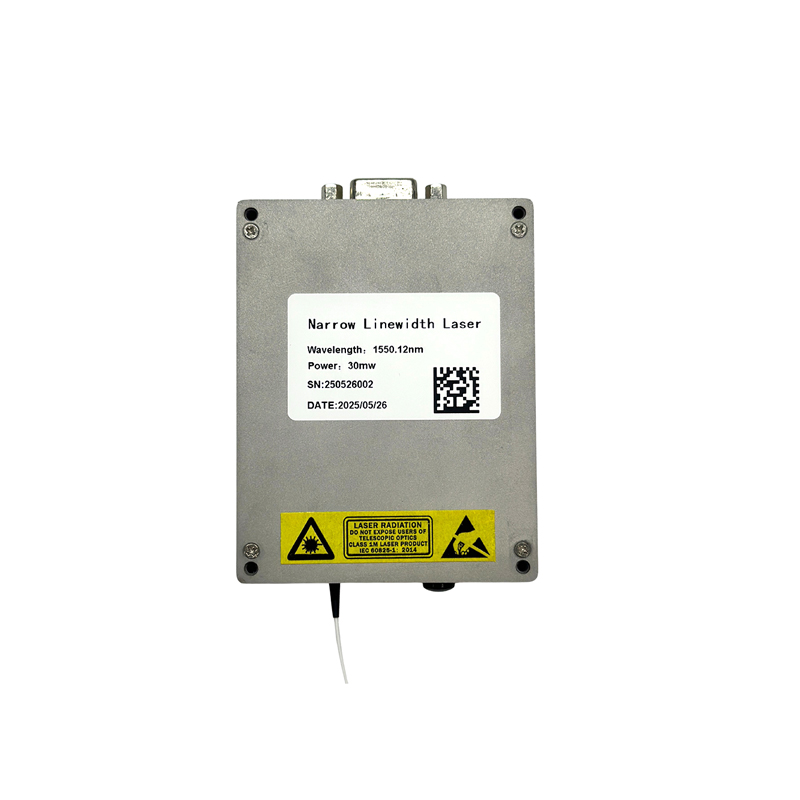 Light Source&Light Harvesting Products
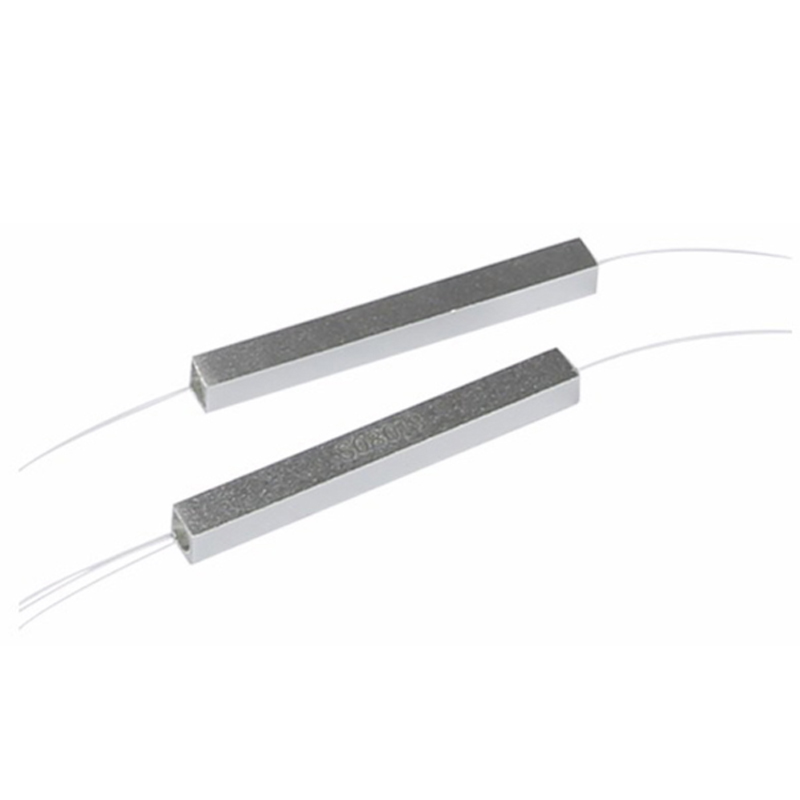 Optical Device Products
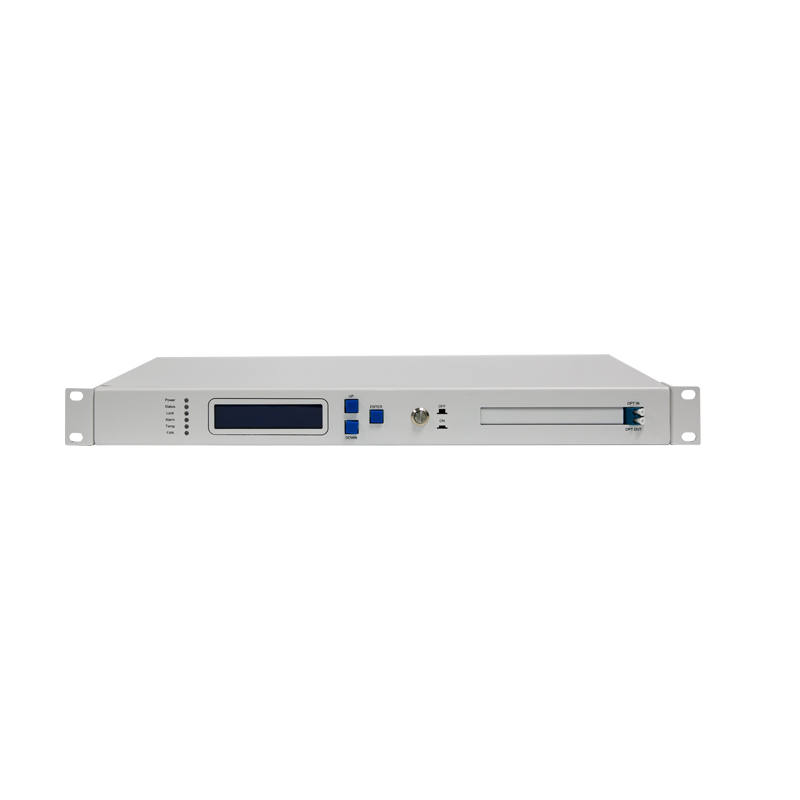 Subsystem Products
 Instruments and Meters
 Communication Field
 Sensing Field
 Laser Radar
 Research and Medical Care

Quad Channel DWDM EDFA: A Compact Solution for Multi-Channel Optical Amplification
What Is a Quad Channel DWDM EDFA
A Quad Channel DWDM EDFA is a multi-channel Erbium Doped Fiber Amplifier designed to integrate four optical amplification paths into one compact module.
In a conventional system, separate EDFA modules may be required for multiple optical paths. A four-channel integrated EDFA reduces the number of individual modules and allows several amplification functions to be installed within a smaller mechanical footprint.
WSEELINK provides a Quad Channel Dwdm Edfa for C-band optical communication systems. The module operates across a wavelength range from 1528 to 1568 nm and integrates four amplification channels in a 120 by 110 by 17 mm housing.
This design is intended for DWDM transmission systems, metro and access networks and optical system integration where installation space and channel density are important.
H2 Why Use a Multi Channel EDFA
As optical communication equipment becomes more integrated, system designers often need to increase the number of optical channels without significantly increasing equipment size.
A Multi Channel EDFA allows several optical amplification paths to share one compact mechanical platform.
For equipment manufacturers, this can simplify installation and reduce the number of separate amplifier modules required inside the system.
WSEELINK's quad-channel design integrates four EDFA functions while maintaining independent optical amplification paths.
This makes terms such as 4 Channel EDFA, Multi Channel EDFA and Quad Channel Dwdm Edfa relevant to the actual product configuration rather than simply being different names for the same single-channel amplifier.
Key Optical Specifications
The operating wavelength range of the WSEELINK Quad Channel Dwdm Edfa is 1528 to 1568 nm, covering the C-band region used in DWDM optical communication.
The specified input optical power range is from minus 33 dBm to plus 12 dBm.
Output optical power can be configured up to 20 dBm depending on the selected configuration.
The amplifier provides a gain range up to approximately 33 dB.
Noise Figure is specified at approximately 5.5 dB typical and 6 dB maximum.
Gain Flatness is approximately 1.2 dB typical, with a specified maximum of 1.5 dB.
These parameters should be evaluated according to the actual DWDM optical link rather than considered independently.
Why Gain Flatness Matters in DWDM Systems
DWDM systems transmit multiple wavelengths through the same optical network.
When several wavelengths are amplified, large differences in gain can create uneven optical power between channels.
Gain flatness therefore becomes an important parameter when selecting a DWDM EDFA.
The WSEELINK Quad Channel DWDM EDFA is designed for multi-wavelength optical amplification and provides controlled gain characteristics across its operating wavelength range.
System designers should still calculate the input power and target output level for each optical path before selecting the final configuration.
The required gain depends on fiber attenuation, passive component loss, multiplexer insertion loss and the power budget of the complete transmission system.
Compact Design for Optical Equipment Integration
The quad-channel module measures approximately 120 by 110 by 17 mm.
Compared with installing four separate optical amplifier modules, this integrated structure can reduce the space required inside communication equipment.
The module uses a nominal 5 V power supply with an operating range from approximately 4.75 to 5.25 V.
Total power consumption is specified at no more than 15 W.
LVTTL and RS232 communication interfaces are available for control and system integration.
These characteristics are particularly relevant to equipment manufacturers searching for a Compact DWDM EDFA Module rather than a complete rack-mounted amplifier subsystem.
Quad Channel EDFA vs Single Channel EDFA
A single-channel EDFA is appropriate when only one optical path requires amplification.
A Quad Channel EDFA becomes more practical when several independent optical paths must be integrated into the same equipment.
The advantage is mainly system integration rather than simply higher optical power.
A four-channel module can reduce duplicated mechanical structures, power interfaces and installation space.
However, the correct architecture depends on the optical system.
If channels require very different gain or output power specifications, individual amplifier designs may still be more suitable.
Buyers should therefore define the number of channels, wavelength range and required optical performance before choosing the integrated structure.
What Buyers Should Confirm Before Ordering
Before selecting a Multi Channel DWDM EDFA, buyers should provide the number of optical channels, operating wavelength range and input optical power for each channel.
Required output power, target gain and gain flatness should also be specified.
Connector type, fiber type, supply voltage, control interface and available installation dimensions are important for equipment-level integration.
WSEELINK supports customized DWDM EDFA configurations according to different optical network and system requirements.
Providing a complete optical power budget allows the amplifier configuration to be matched more accurately to the actual DWDM transmission system.